Ride Under
Desert Stars
One Horse Charlie
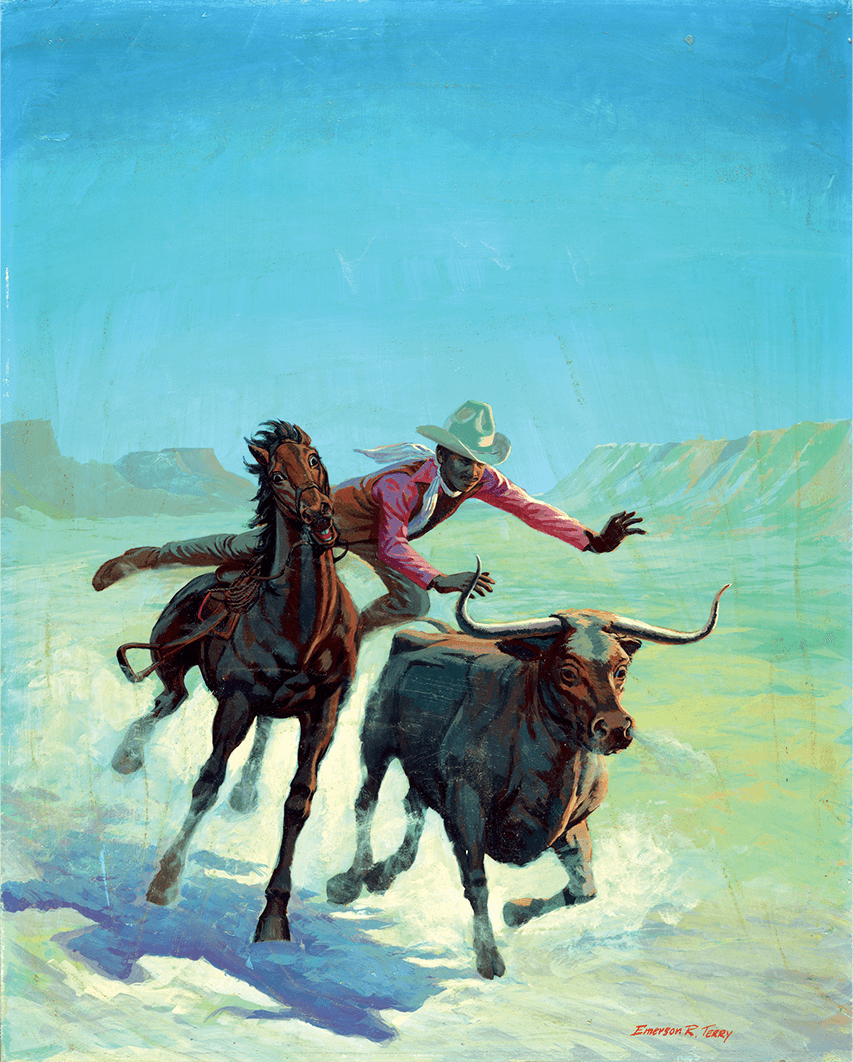
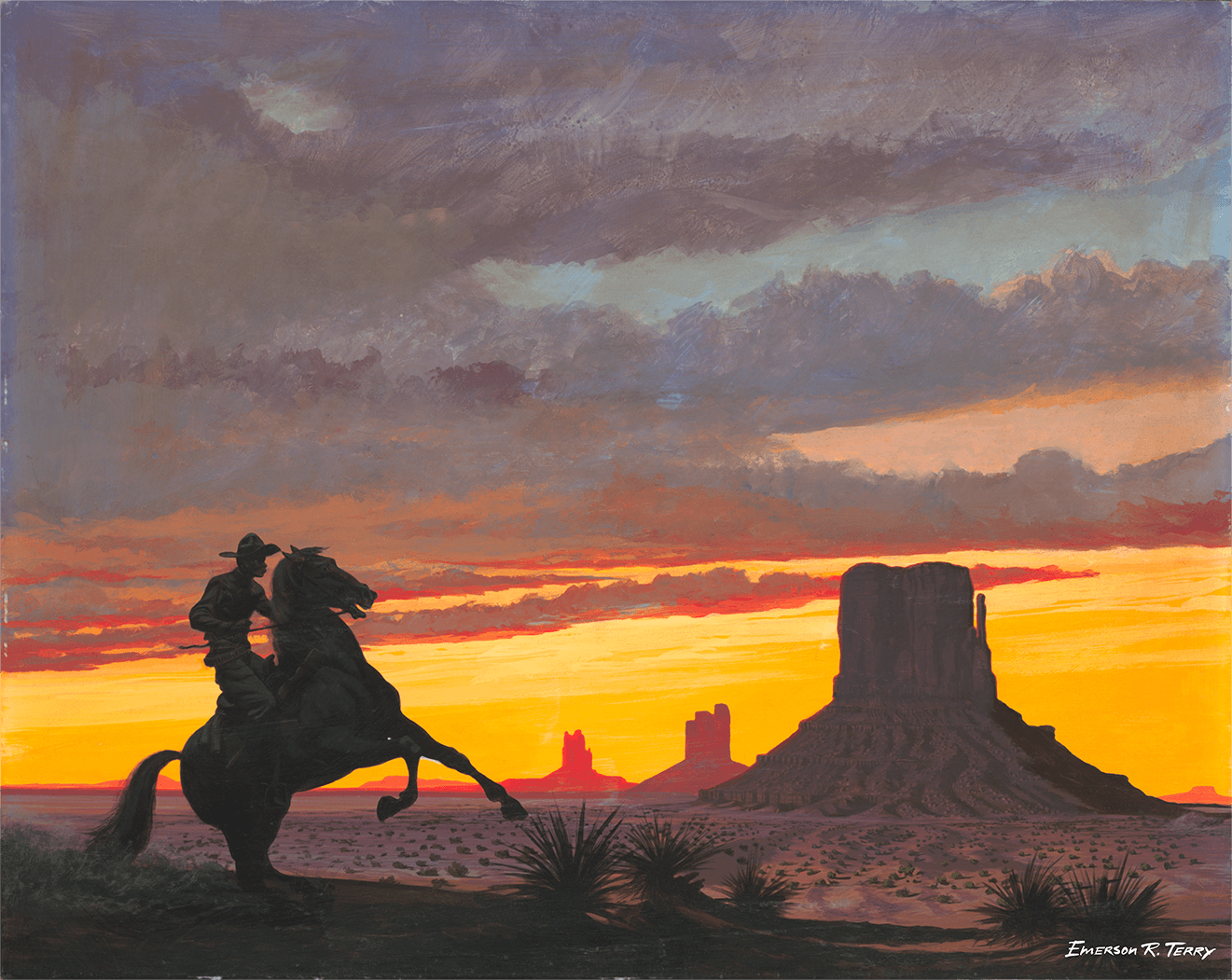
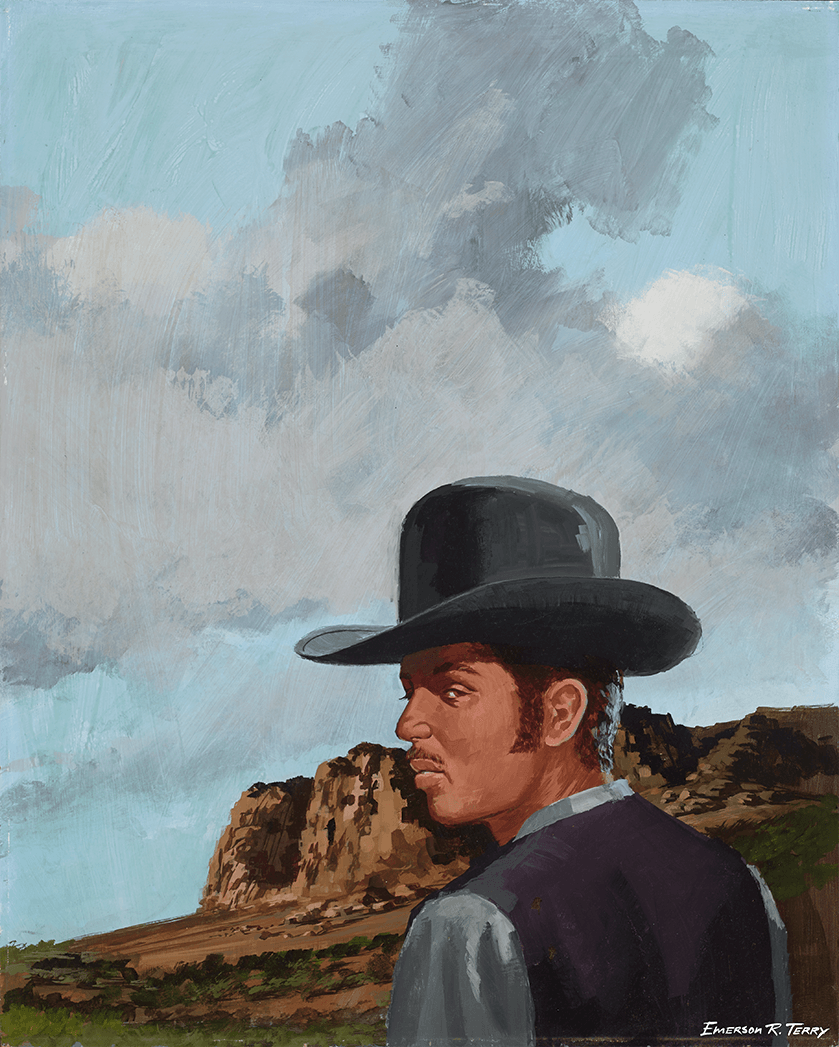
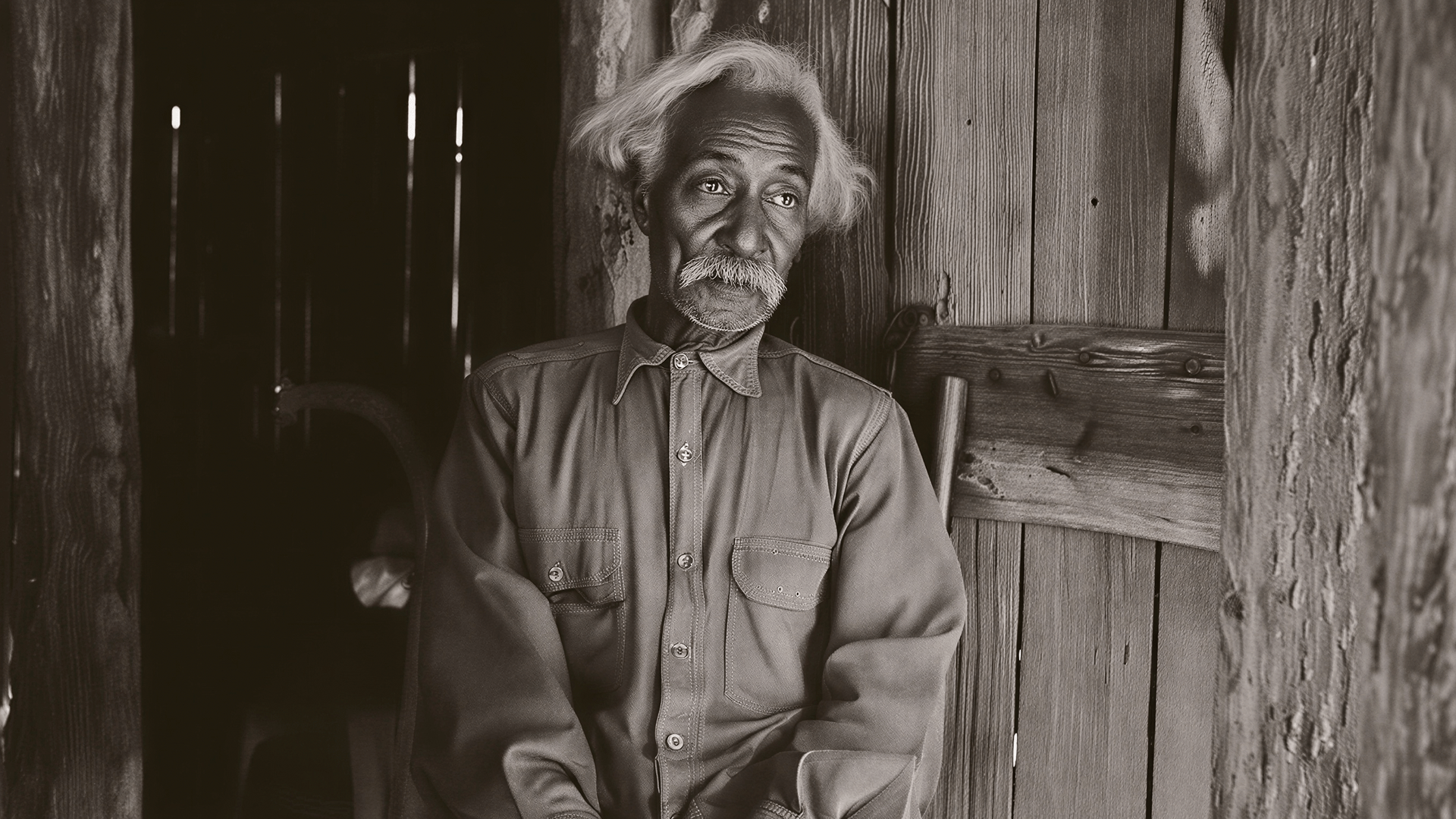
The dust rose around the herd like smoke from a battlefield, clinging to Charlie’s shirt and settling deep in the creases of his skin. The sun baked the top of his hat and burned the back of his neck, but he did not flinch from it. A cowboy who lived his life under an open sky didn’t curse the sun; it was a companion, sometimes harsh, sometimes generous, but always honest.
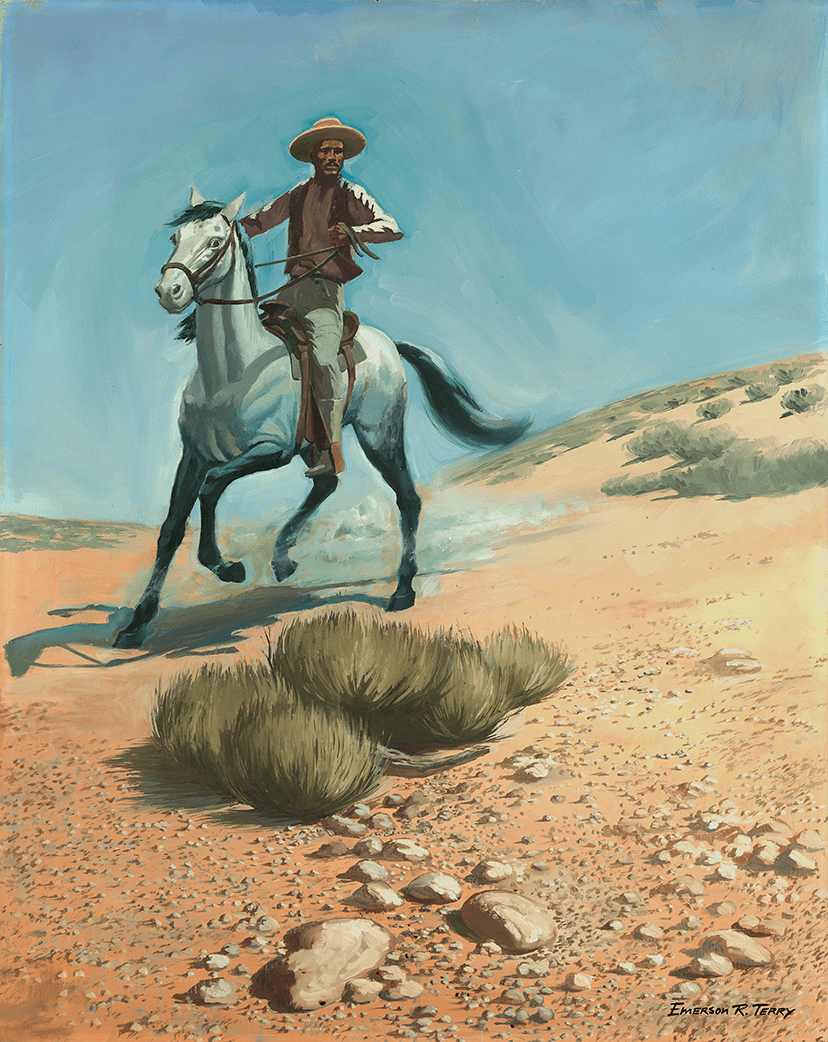
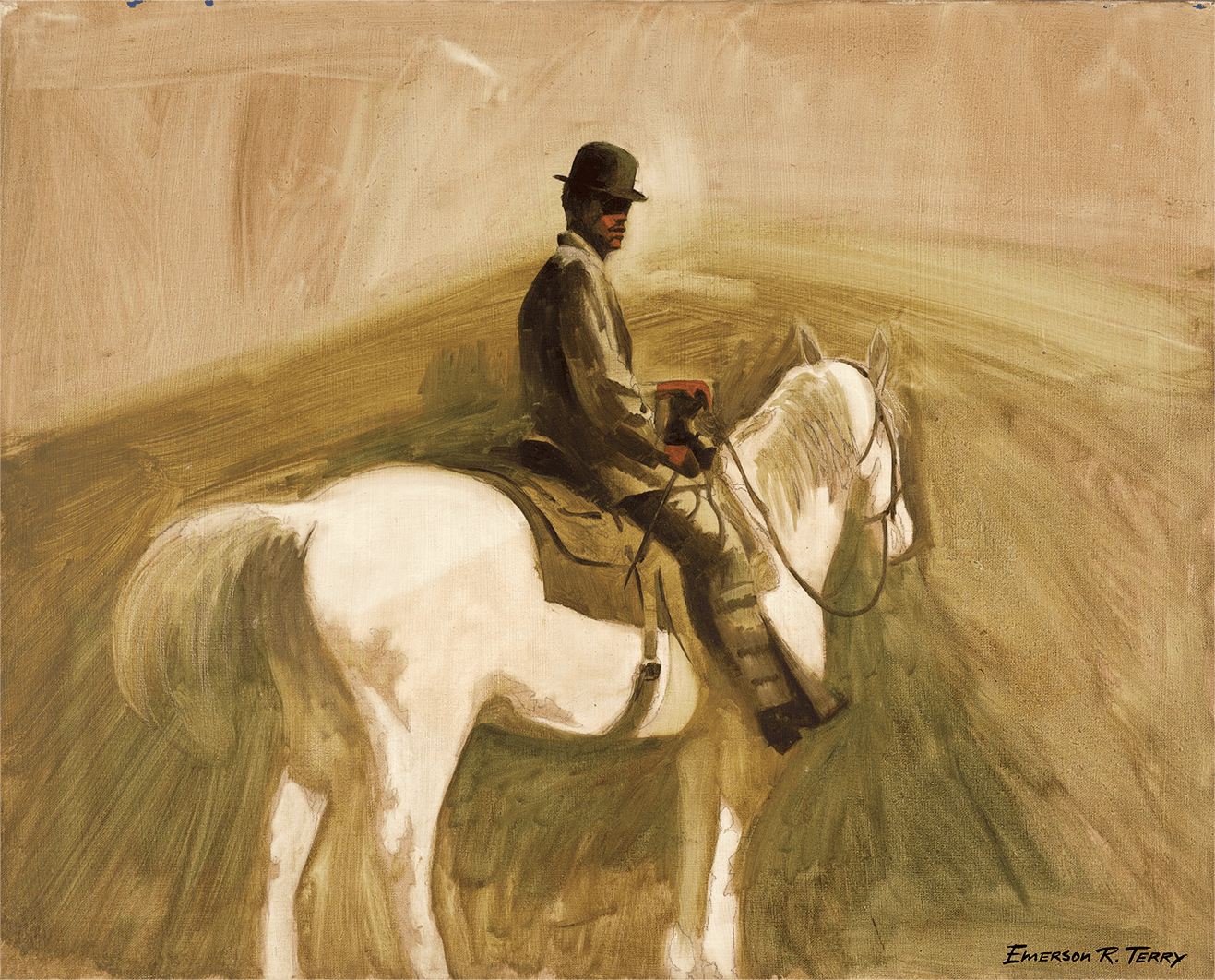
He rode with the loose, confident posture that came from knowing exactly how much pressure to apply to a horse’s sides, how much slack to give a rein, and when to shift his weight to signal a turn. He didn’t jerk or fuss or wrestle with the animal beneath him. His touch was almost lazy-looking to those who didn’t understand, but experienced cowhands knew better. A horse responded to confidence the way a man responded to kindness, slow at first, then all at once.
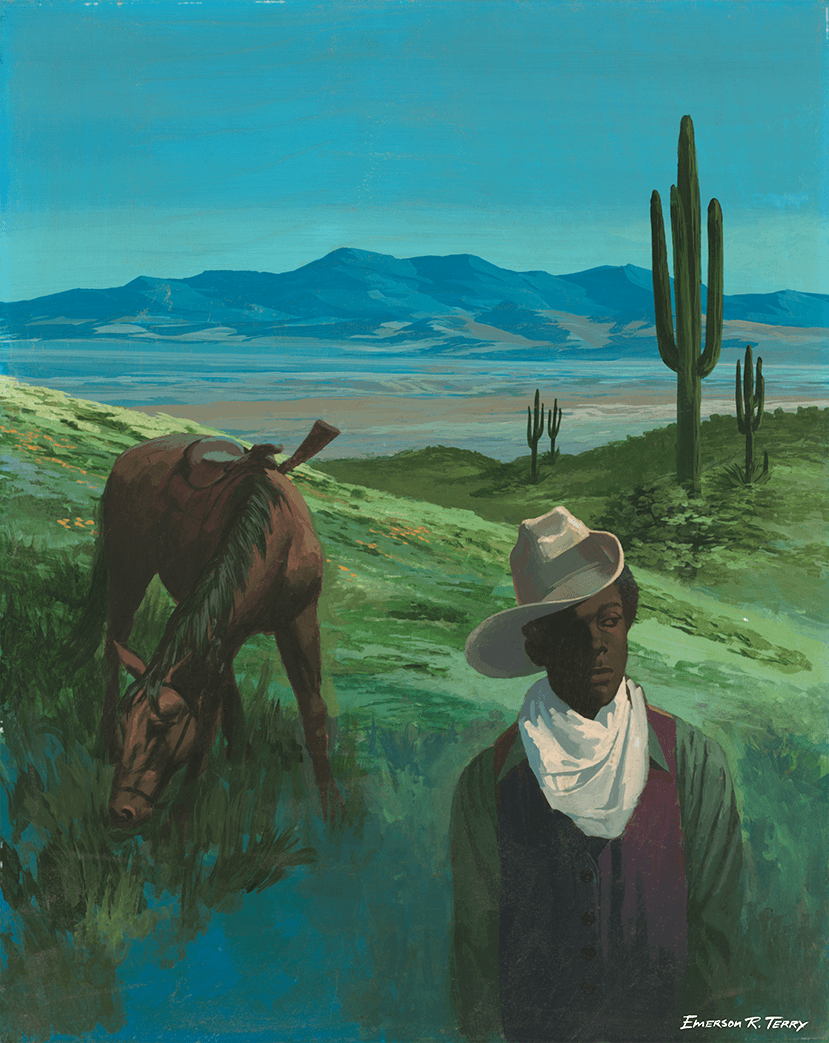
The bay he rode flicked its ears every time Charlie made the faintest hum, recognizing sounds he had used for weeks along the trail. The horse’s coat shimmered beneath the hard light, and its strides remained steady even as the cattle groaned and shuffled in waves of restless motion.
They called him One Horse Charlie because he always chose one horse per drive to bond with, a horse whose mind he understood, whose moods he respected. Other cowboys rotated animals as if they were spare tools, swapping them without thought. But Charlie knew a horse carried your life on its back. Trust mattered more than muscle.
“Don’t know how you do it,” a young cowboy had told him once. “Pick just one every time.”
Charlie had shrugged, that half-smile tugging one side of his mouth. “Only need one to get you where you’re goin’.”
Most men laughed, but Charlie meant it. A horse carried a man through storms, stampedes, river crossings, and lonely miles. A man careless with a horse was careless with himself.
❦
The cattle drive stretched across long days and longer nights. The Pecos crossing was in sight, the end of this drive, the beginning of a little freedom. Men talked about Dodge City with a hungry gleam in their eyes. The talk around the evening fire included promises to drink more whiskey than a body could handle, to gamble enough to shame a preacher, to dance every dance with every woman in the saloon.
Charlie listened to the bragging without joining in. He enjoyed a good time as much as anyone, but he didn’t bark about it like the younger boys. His pleasures tended to find him without forcing matters.
That evening, he sat on the outskirts of camp, the mesquite brush throwing shadows across the ground as he polished his saddle horn. Coyotes yapped far off, their calls drifting in and out of the dry wind. The cattle settled into a restless lull. Firelight flickered on the men’s faces as they boasted, laughed, argued about nothing, and sang bits of trail songs off-key.
Charlie preferred quiet. That often made folks think he was shy or brooding, but the truth was he liked to keep to himself until he chose otherwise.
“Your eyes are tired,” came a woman’s voice, low and certain, cutting gently through the noise.
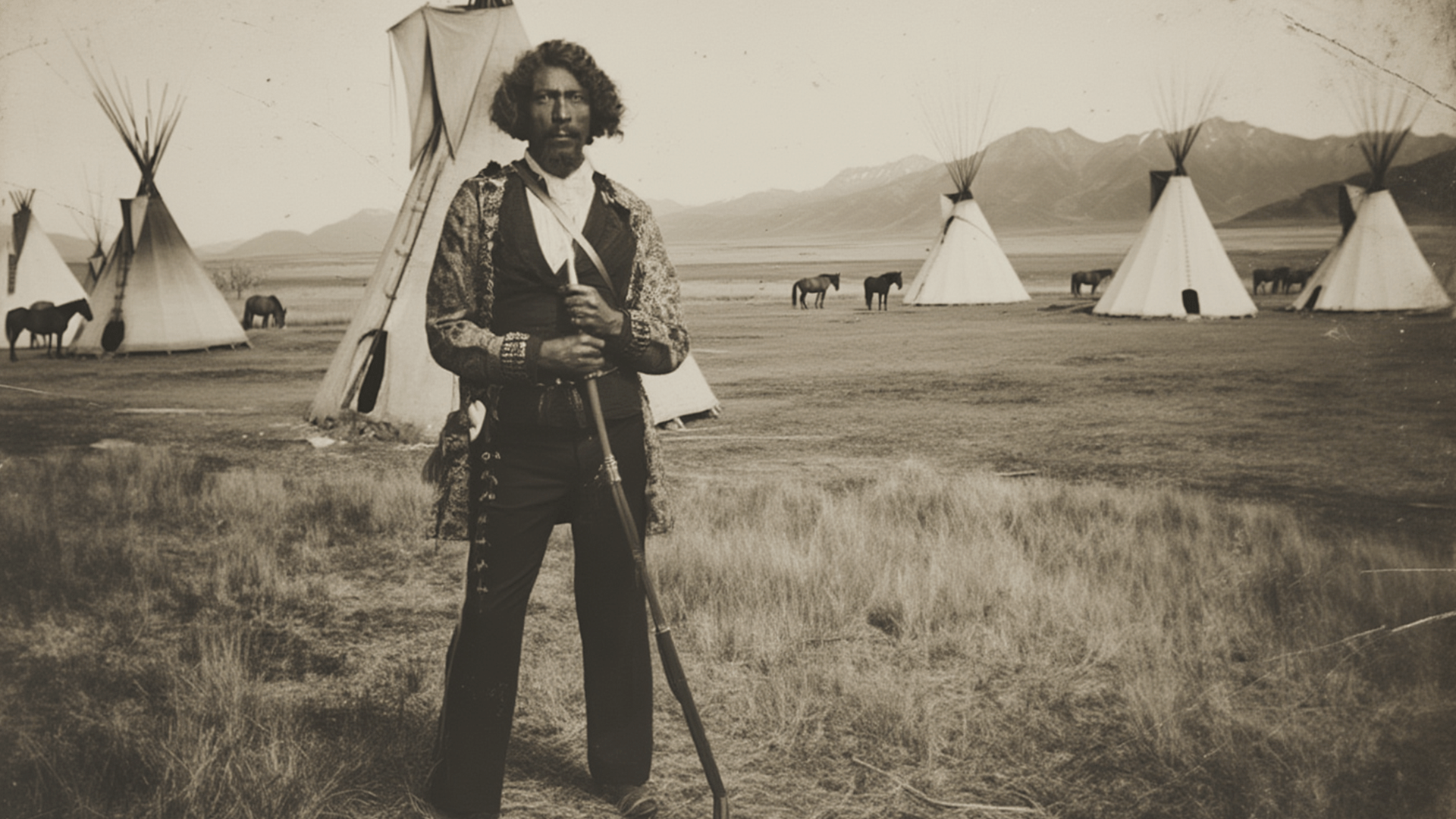
Charlie looked up. Na’da stood at the edge of firelight, framed by moon and shadow. The glow caught the silver streaks woven through her mostly black hair. She walked with her mesquite staff, not because she needed support, but because the staff marked her as a woman of spiritual weight, someone who moved between worlds of healing and insight.
Charlie rose to greet her, giving a respectful nod. “Evenin’, Auntie.”
The title wasn’t about blood or age; it was honor. Some men said Na’da had lived many lives. Others swore she saw more truth in a silence than most men saw in a week’s worth of talking.
“Long trail,” Charlie said. “Dust gets into places a man didn’t know he had.”
Na’da studied him with eyes sharp as flint yet warm beneath the hardness. “Dust is not what burdens you.”
Charlie chuckled. “I suppose you’d know.”
She lowered herself beside him in a slow, deliberate motion that carried the strength of a mountain rather than the frailty of age. From a pouch at her hip, she withdrew leaves and root fragments, mixing them with practiced certainty. She wrapped the small preparation in cloth and placed it in his hand.
“Boil this,” she instructed. “Drink it morning before the sun rises. It will cool the fire in your chest.”
Charlie turned the bundle over between his fingers. The scent of crushed sage and wild mint rose from it. “You always know more than I speak.”
Na’da’s lips curved. “Your spirit hums too loud. Even when your voice does not.”
Charlie didn’t respond right away. He watched the fire crackle and pop, sending sparks into the dark. Around them, the boys hollered over a card game, completely unaware of the quiet communion happening at the camp’s edge.
“You’re restless,” Na’da said, tapping her staff lightly against the ground. “A colt wanting to run without direction.”
Charlie exhaled through his nose. “Could be.”
“Be mindful,” she said. “Running is not always the same as moving forward.”
He nodded, taking in her words the way desert ground takes water, slowly, gratefully. Na’da never tried to bind him with judgment. She simply saw him clearly, which was something most men never allowed themselves to do.
She rose, tapping her staff once more before walking back through the shadows. The boys instinctively lowered their voices as she passed, though none of them understood why. Charlie watched her leave until the night swallowed her shape.
❦
Dodge City greeted them with a roar. Lanterns swung from wooden porches, casting gold across dust and boots and horse manure. Saloons spilled music into the street, fiddle strings sharp as laughter, piano keys hammered with abandon, voices shouting over clinking glass. Cowboys swaggered in from the drive with swollen pockets and weeks’ worth of stories bubbling in their chests.
Charlie stepped into the Long Branch, letting the saloon’s warmth wash over him. Sweat, perfume, whiskey, tobacco, and sawdust mingled into a scent that only frontier towns could brew. He leaned on the bar and ordered rye. The barkeep poured without asking.
On the floor, women danced between tables, bright skirts swinging, hair pinned or braided, cheeks flushed. Immigrant women from Ireland, Germany, Poland, and beyond moved with practiced grace, dodging hands and jokes while delivering drinks with smiles that never quite touched their eyes.
Charlie took it in slowly. He wasn’t hunting for anything, but life had a way of sending moments his direction without warning.
“TAnd there she was.
An Irish woman with auburn hair pinned loosely at the nape, loose strands curling near her jaw. She carried a tray full of glasses but moved as though the weight didn’t touch her. When she called out for the barkeep, her brogue rolled through the air like warm smoke.
Her eyes brushed Charlie’s for a breath. He tipped his hat. “Evenin’, Miss.”
Her smile was gentle, deeper than polite courtesy. “Evenin’, cowboy.”
She walked on, but after three steps, she turned her head back. Her eyes lingered longer than they had any right to.
Charlie felt an unexpected warmth beneath his collar. That pause, that long, quiet glance, held the shape of something that could have become a story in another world. Respect asked him to leave it where it lay. Survival demanded the same.
He sipped his rye. The drink burned pleasantly down his throat.
Later, a German girl with laughing eyes tugged him into a reel. Charlie danced with the loose, easy rhythm of a man who moved well in his body. They spun, boots sliding on sawdust, skirts flaring, men cheering. When the music ended, she winked and pressed his hand lightly before vanishing
into the crowd.
Charlie didn’t follow. He wasn’t built to chase. He let moments come and go like desert wind passing over sand, felt, then gone.
From the corner, the Irish woman caught his eye again. Not a word passed between them this time, but the possibility hummed like a hidden string being plucked.
❦
Days later, the trail called him back. Charlie rode toward Na’da’s shade house with the small bag of coffee beans he’d bought just for her. When he arrived, she stood outside, laying out bundles of drying herbs. The sun painted her silver streaks in bright strokes.
“You return,” she said.
“Brought you something,” Charlie replied, offering the coffee.
Na’da accepted it with a nod, a small smile forming near the corners of her mouth. “You remember well.”
Inside the shade house, they sat at a narrow wooden table. The tea she brewed smelled of sage and something sweeter beneath it. The air within felt deliberately calm, the shade filtering the light into soft strips. It was a place meant for healing, seeing, and listening.
“So,” Na’da said, pouring more tea into his cup, “what did you chase in the white man’s town?”
Charlie chuckled, rubbing the back of his neck. “A little music. A little laughter. A little warmth. Nothing a man could hold onto.”
Na’da tilted her head, studying him. “You scatter yourself like seeds in the wind. Some fall on stone. Some find soil. Do you ever wonder what grows behind you?”
Charlie looked at her hands, strong, steady, the hands of someone who had shaped medicine and comfort for decades.
“I’m a drifting man,” he said. “I don’t reckon trees grow well in saddlebags.”
Na’da tapped her staff lightly twice. “Even a drifting man must know where he drinks water.”
Her words landed gently but firmly. Charlie felt something inside him shift, slow and inevitable as erosion.
He thought of the Irish woman’s lingering gaze, a silent story left unwritten. He thought of the German girl’s laugh echoing between the strains of a fiddle. He thought of the wide stretch of trail that awaited him, and the quiet spaces where he found himself.
And he thought of Na’da, silver-streaked, powerful, anchored to the land in a way he would never be. Her presence gave him clarity, not confinement. She steadied him without ever holding him still.
“Some places make a man quieter,” he said. “Make him see himself clearer.”
“Then listen to those places,” Na’da replied.
❦
That night, Charlie rode beneath a wide sky full of desert stars. They glittered above him like grains of sand suspended in black water. His bay moved with an easy stride, hooves tapping a steady rhythm against the hard ground.
Behind him, the camp’s firelight flickered. Ahead, the land opened into darkness and promise.
He carried with him the echoes of Dodge City, the fleeting warmth of women’s smiles, the pull of possibility and danger wrapped in a single lingering glance. He carried the lessons Na’da had spoken without force, the steady weight of her wisdom settling inside him like a stone warming in the sun.
Charlie touched the bay’s mane. “Onward, partner.”
The horse flicked its ears, as if answering. Charlie grinned.
A sporting man he was, humorous, charming, respectful. But beneath that was more: a man made of trail dust and desert wind, of glances left unspoken, of friendships forged in quiet honesty.
He rode on, letting the night hold him up, letting his thoughts drift with the horizon. Whatever tomorrow brought, another drive, another town, another lingering look, he would meet it in stride, always with one good horse beneath him and the desert stars lighting the path ahead.
End Notes
1. Katz, *The Black West* (1971/1996) — foundational survey of Black life in western expansion, incl. cowboys/range/towns.
2. Taylor, *In Search of the Racial Frontier* (1998) — broad history of Black Americans in the West; cattle country, trails, cattle towns.
3. Massey (ed.), *Black Cowboys of Texas* (2000) — essays/biographical case studies of Black cowboys on drives (1866–1895).
4. Taylor, “African Americans on Western Cattle Drives, 1867–1885” (BlackPast, 2022) — short overview of trail roles + participation estimates.
5. Nodjimbadem, “The Lesser-Known History of African-American Cowboys” (Smithsonian, 2017) — public-history summary; highlights erasure + “one in four” claim.
6. Haywood, “No Less A Man: Blacks in Cow Town Dodge City” (*Kansas History*, 1988) — Black cowboys/workers in Dodge City; wages, local life, perceptions.
7. “The Long Branch Saloon, Dodge City” (Legends of America) — overview of the saloon as a cattle-boom entertainment hub.
8. “Wild Women of the West: Miss Heiser and the Long Branch” (Cowgirl Magazine, 2019) — context on dance hall/entertainer labor in Dodge City.
More Chapters

Choose your Trail