Longhorn
Ride
Bronco Sam
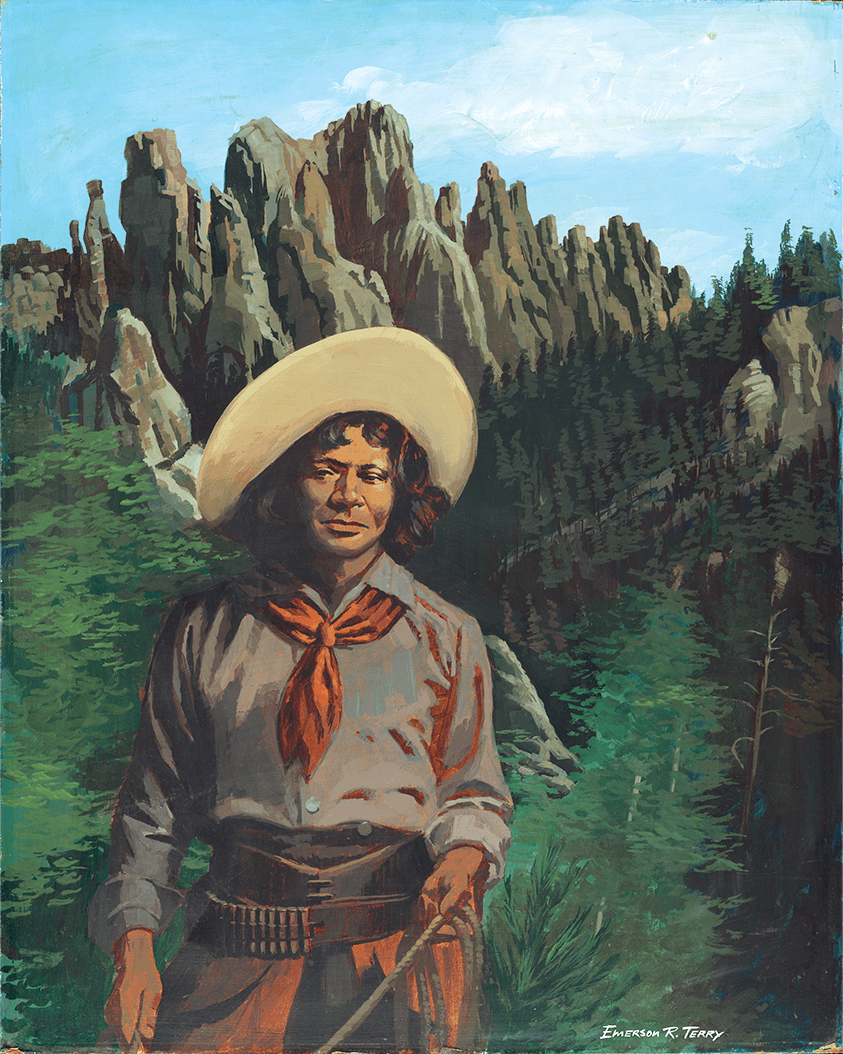
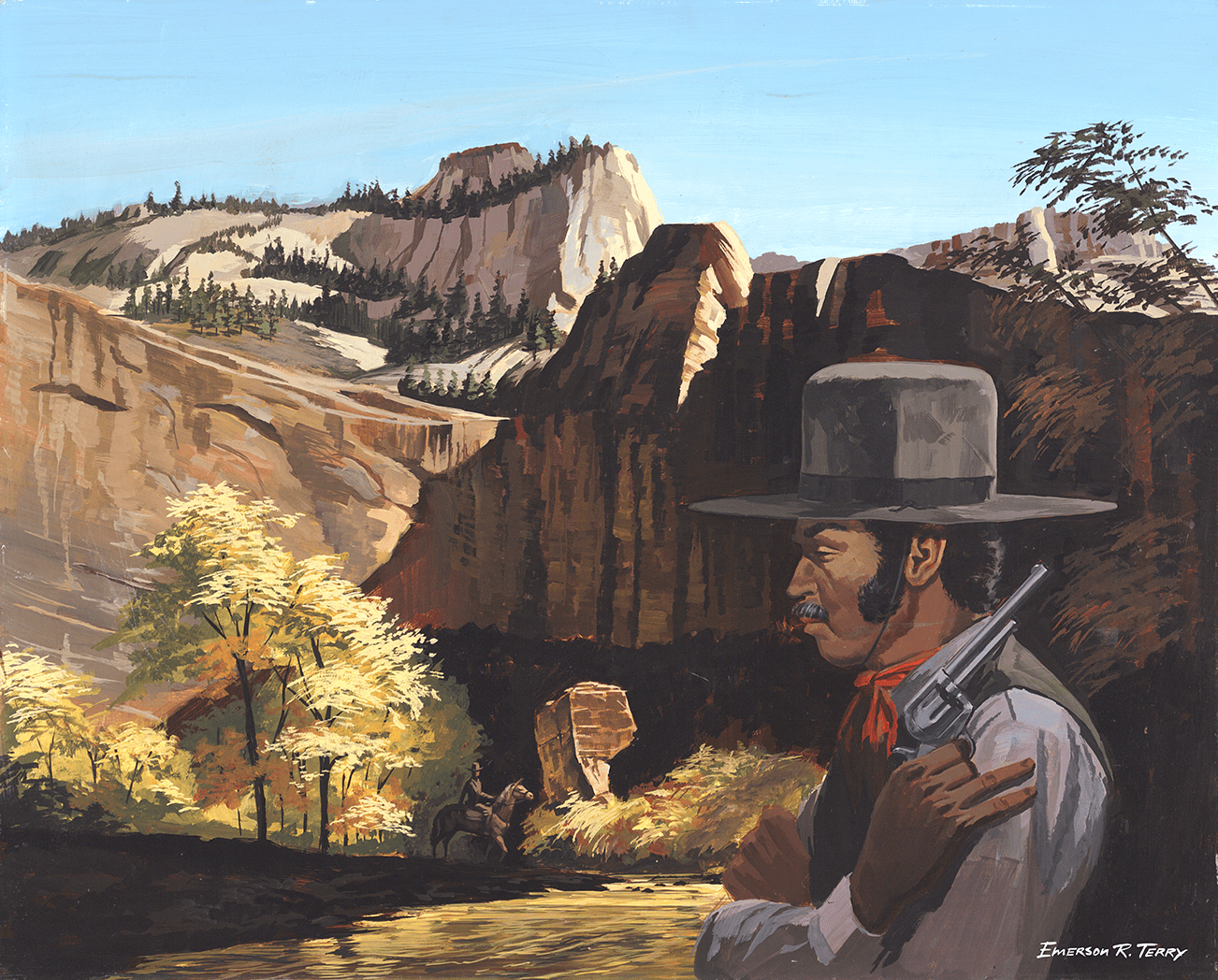
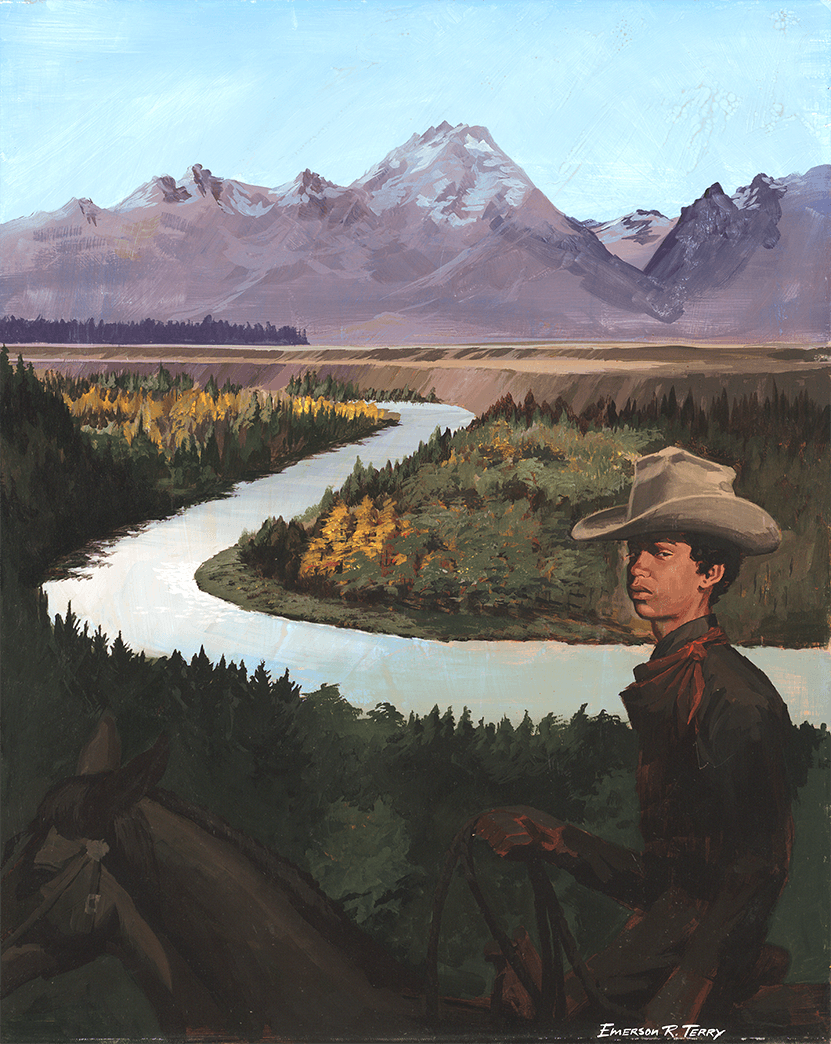
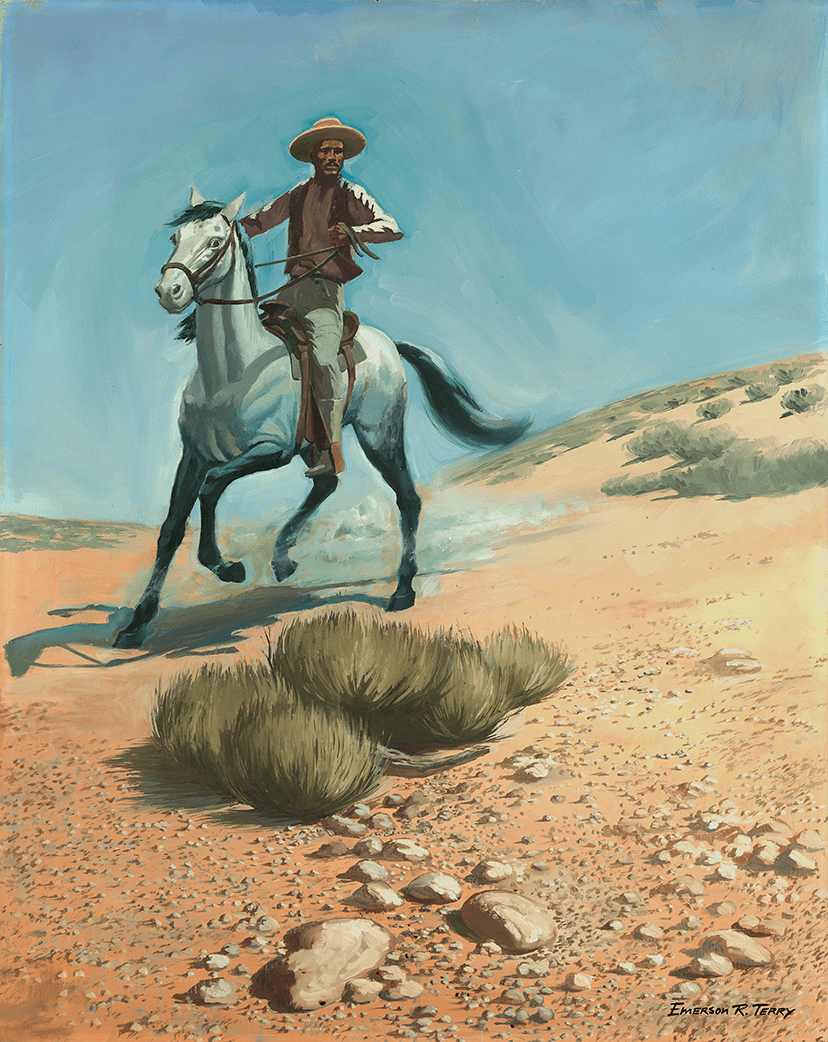
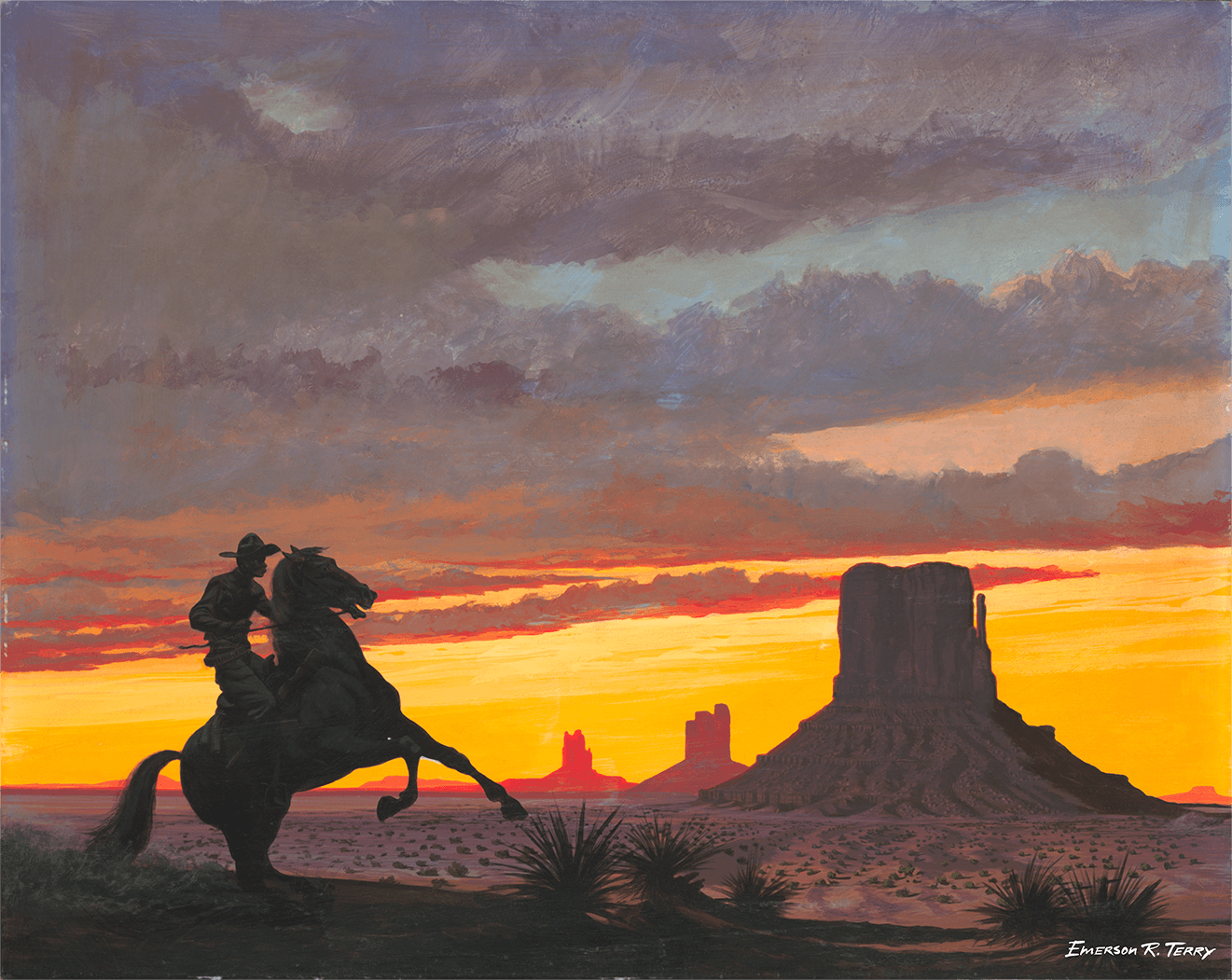
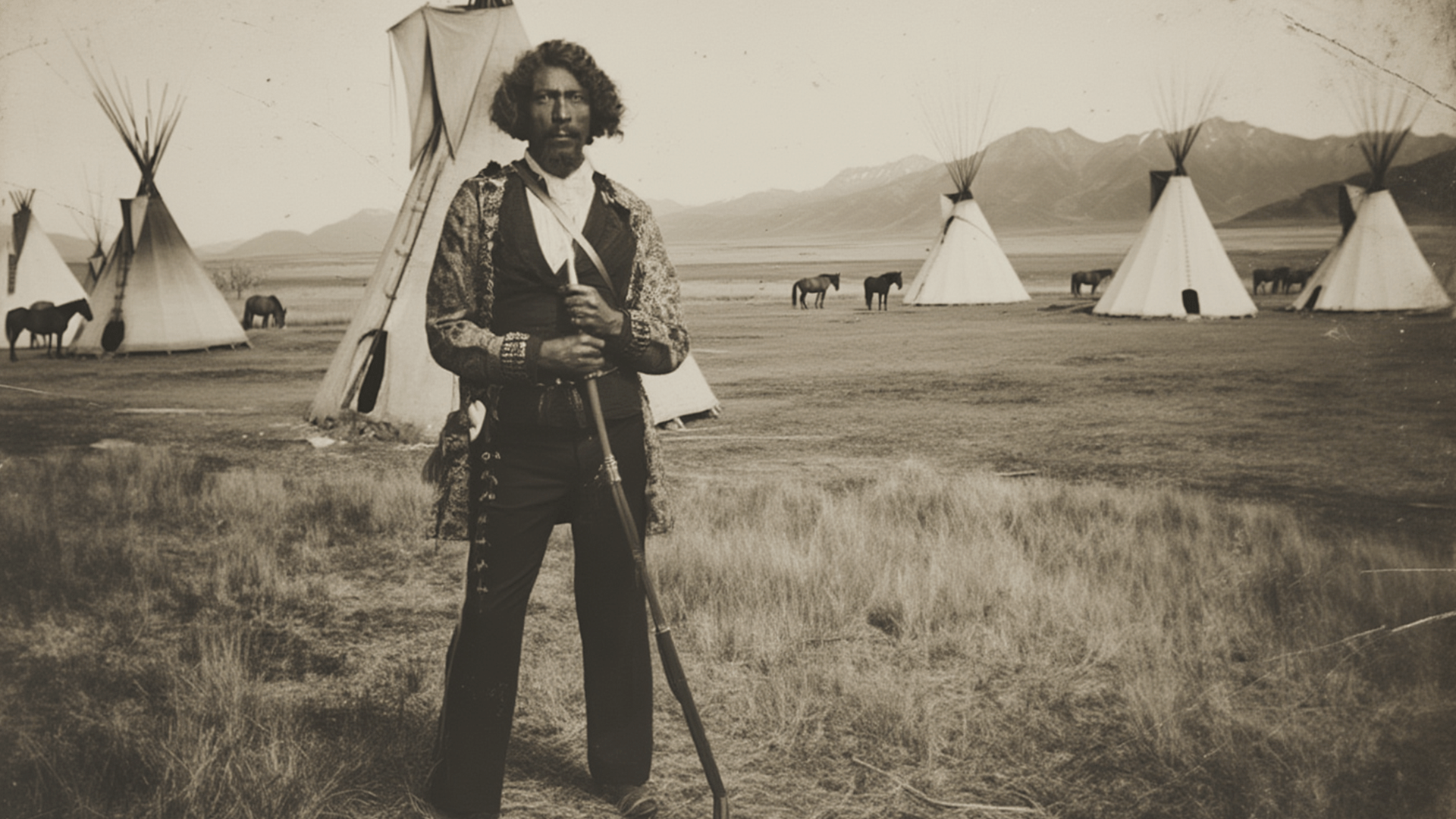
The Texas plains baked beneath a sun that seemed to hum with heat. Bronco Sam rode point ahead of the herd, his eyes narrowed against dust rising in gold waves. It was the late 1870s, and he and his crew were pushing a thousand longhorns north toward Cheyenne. The cattle moved like a slow tide across the land, their horns catching the light like crescent moons. Weeks of riding had carved the men into sinew and leather. They had crossed rivers swollen with rain, fought off stampedes, and lived on the same few staples that kept every drive alive—beans, salt pork, sourdough biscuits, and endless cups of coffee thick with chicory.
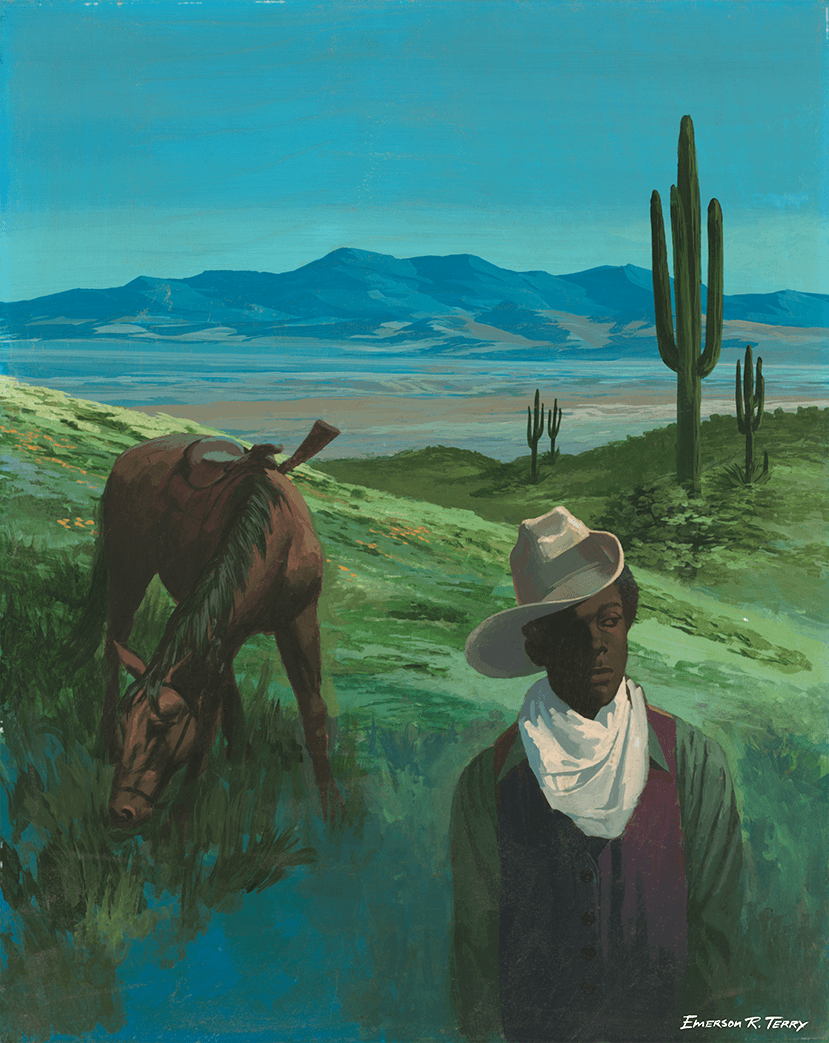
Sam rode with a kind of peace. Out here, he felt a freedom that was still new in America. The open range didn’t care what a man looked like, only whether he could ride, rope, and endure. At night, when the herd settled, he often found himself gazing into the fire while the smell of Preacher’s cooking rolled through the camp.
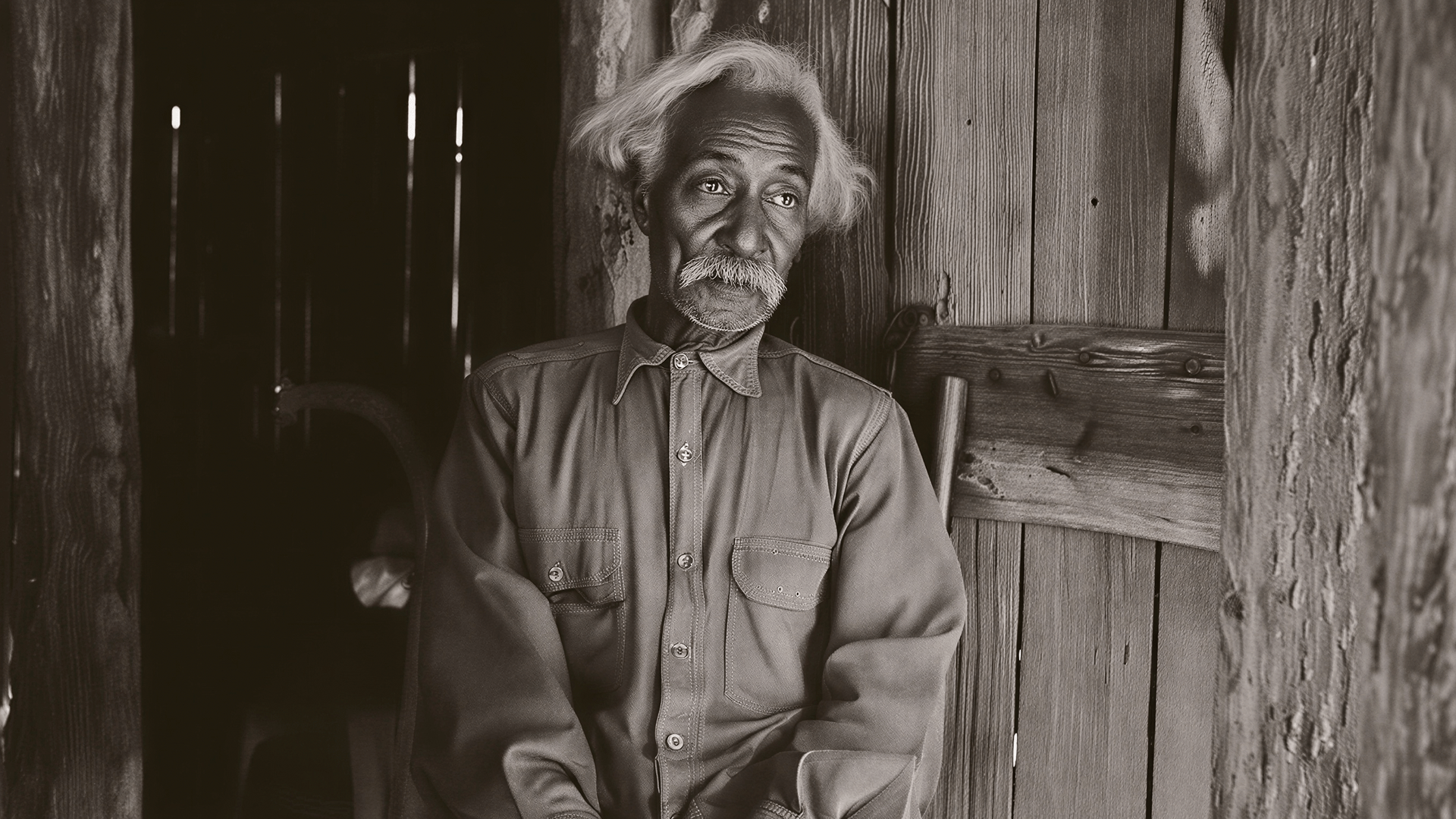
Preacher, the chuckwagon cook, stirred a pot of hominy and beans, thickened with salt pork and molasses. He was an older man, born into slavery like Sam, and he could make a meal out of anything. “This’ll stick to your ribs,” he liked to say, ladling the mixture into tin bowls. The men ate hungrily, sopping the sauce with sourdough biscuits they baked right in the coals. Afterward, they sat back, bellies full, coffee steaming, while
coyotes yipped at the dark edges of the prairie.
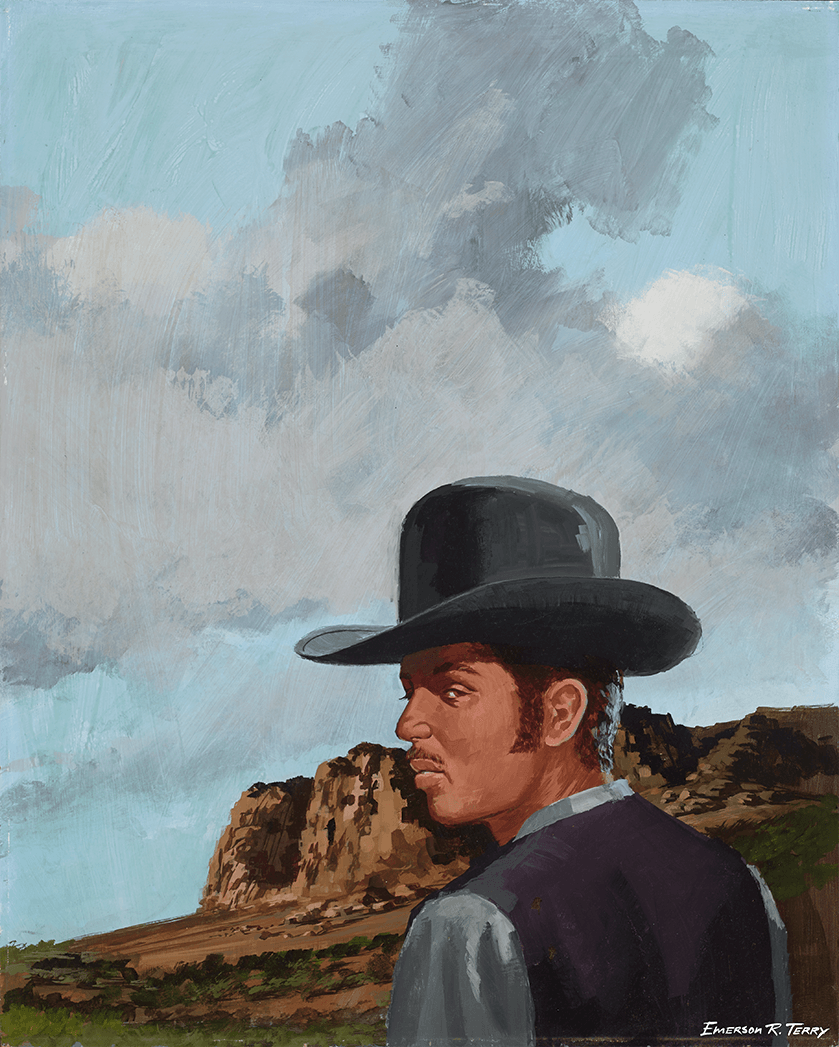
That night, talk drifted around the fire as easily as the smoke. Bill Walker, their trail boss, sat on an upturned bucket, his hat tilted back, his beard glinting with grease from supper. He was a white man who measured others by their skills, not by their color.
Walker said, “Out here, a man’s got to pull his weight, Black or white. A stampede will kill us all the same if we don’t stick together.”
Sam tipped his hat toward him. “Ain’t that the truth, Boss?”
Preacher poked at the coals and smiled. “Boy asked me earlier why we call ourselves cowboys,” he said. “Seems a fair question.”
One of the younger riders looked up from his tin cup. “I figured that’s just what we were, Preacher.”
The old man chuckled softly. “That word got its start down in the Carolinas. White ranchers had slaves tending their cattle, and they called them ‘cowboys.’ Didn’t matter if the man was thirty or thirteen—they said it to keep him small. But when the war ended and freedom came, it was us who knew the work. We gathered the wild herds they left behind. Before long, that same name meant something new.”
Sam nodded. “We took the word and made it ours.”
Preacher stirred the pot again, though supper was long gone. “By the late 1860s, one out of every four cowboys in Texas was Black. Folks back East can’t picture that. They think the West was all white hats and pale faces, but that ain’t the truth.”
On the other hand, a young Mexican vaquero named Luis said, “Mi abuelo taught me the lasso before I could walk. The work don’t care about color.”
“That’s right,” Preacher said. “On the trail, the only thing that matters is if a man can ride and do his job. You save a man from drowning, he don’t care what shade your skin is.”
Walker nodded. “You keep a herd steady through a lightning storm, you’ve earned your place.”
The fire crackled, throwing sparks into the star-thick sky. The men fell quiet, their faces warm from coffee and talk. Then one of the younger drovers said, “So we should be proud to be called cowboys, then?”
Preacher leaned back. “We ought to be proud of the work, son. We turned that name from a chain into a badge.”
Sam smiled. “A badge of honor. Earned the hard way.”
Preacher grinned. “That’s right.”
The talk turned to the great riders they admired. Sam told them about Addison “Old Add” Jones, a Black range boss in West Texas who could ride any bronco that bucked under him. “Old Add could rope a mustang at full gallop and throw it before it hit the ground,” Sam said. “They even wrote a song about him.”¹
Luis laughed. “I’d like to see that.”
Another hand said, “Heard of a man named Nat Love up in Dakota. Calls himself Deadwood Dick. They say he won every roping and shooting contest on the Fourth of July.”
Sam chuckled. “That’s Nat all right. We grew up chasing horses in Texas. He always said he’d write a book about it someday. Guess he’s gone and done it.”²
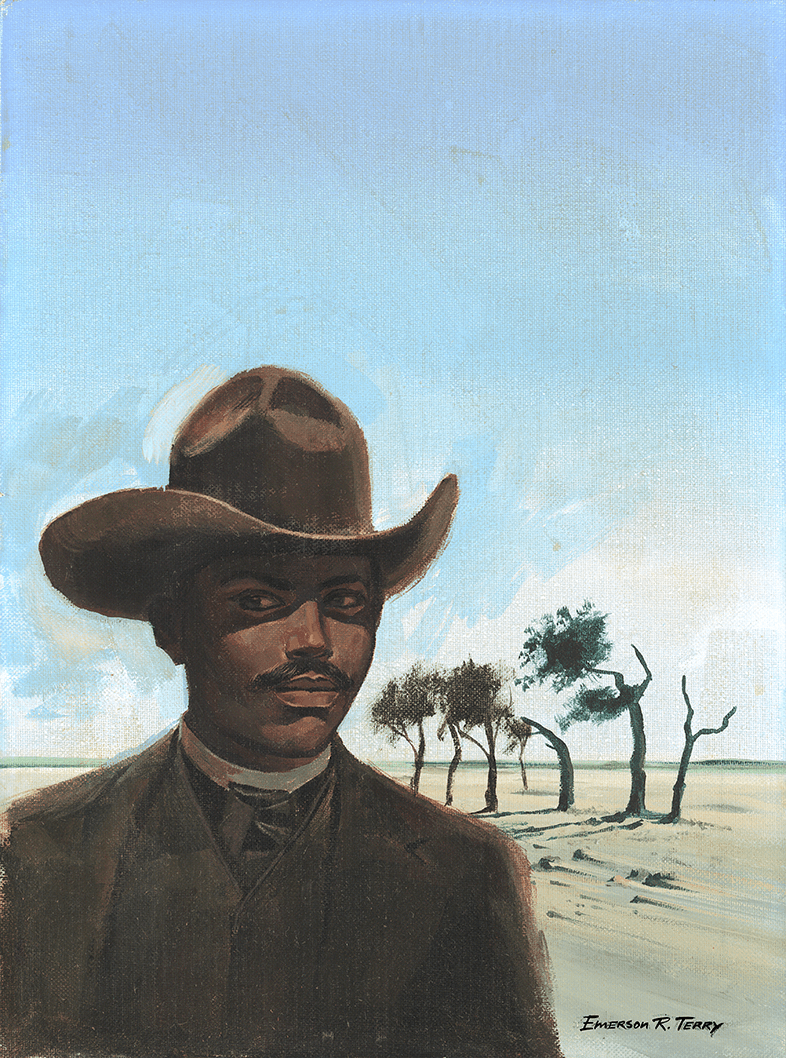
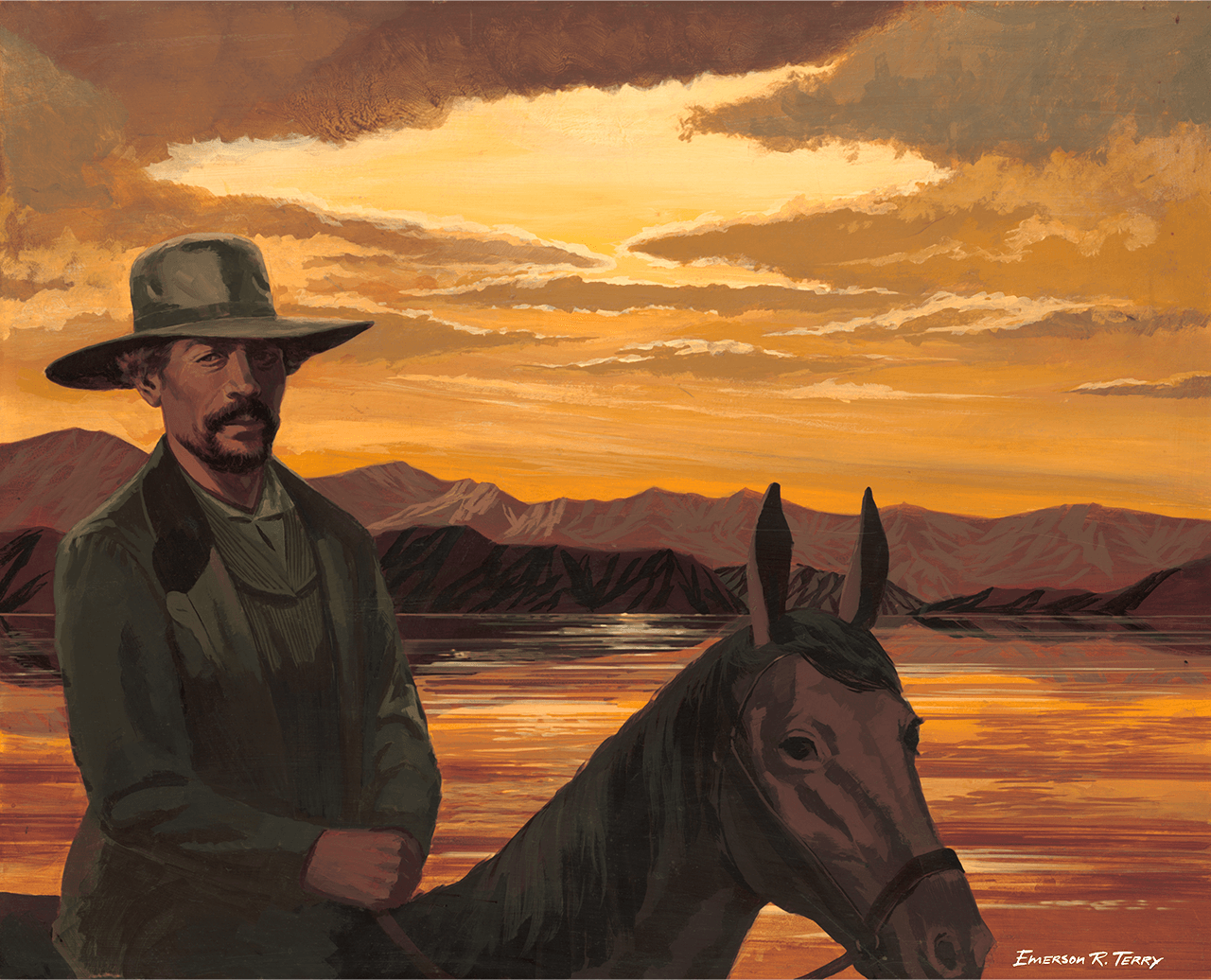
Preacher leaned forward, his eyes glowing in the firelight. “And then there’s Bose Ikard,” he said. “Rode with Colonel Goodnight on the first cattle drives out of Texas. Goodnight trusted him more than any man alive. When Bose passed away, the Colonel paid for his tombstone and had his praise carved on it. Said he never shirked a duty.”³
The men sat in silence for a while. The fire hissed and popped. Sam said quietly, “That’s the kind of respect we all want. To be judged by our deeds.”
The trail stretched on for weeks. The herd kicked up clouds of dust that clung to the riders’ clothes and faces. The men ate beans and salt pork day after day, sometimes stretching the meal with dried apples or hardtack soaked in bacon grease. Coffee boiled black and bitter, and Preacher sweetened it with molasses when he had enough to spare. On cold mornings, he served cornmeal mush fried crisp in bacon drippings, or hominy simmered with onions and lard. The cowboys joked that they’d never starve so long as Preacher had corn and a skillet.
By the time they reached Cheyenne, the men were lean as fence rails. The town smelled of smoke, sweat, and money. They drove the herd to the stockyards, collected their pay, and headed for the saloons. The first barkeep hesitated when Sam put his coins down, but Walker stepped beside him and said quietly, “He’s paying customer same as any man. Pour.”
The barkeep obeyed. The men raised their glasses. For three nights, they drank whiskey and sarsaparilla, played cards, and whooped to the music of a battered piano. By dawn on the third day, most of them were broke but happy.
When they saddled up to leave, one steer remained in the holding pen—a giant longhorn with a temper. Jesse, a tall, mischievous cowboy, pointed at it. “Bet even Bronco Sam can’t ride that one.”
Sam grinned. “That sounds like a challenge, Jesse.”
Walker groaned. “Don’t encourage him.”
But the crew was already laughing and reaching for their ropes. They caught the beast and tied it to a post. It snorted and pawed the ground as Sam swung a saddle onto its back. “Hold him steady!” he shouted.
“Sam, you’ll break your neck!” Walker called.
“Maybe,” Sam said, climbing up. “But I’ll look good doing it.”
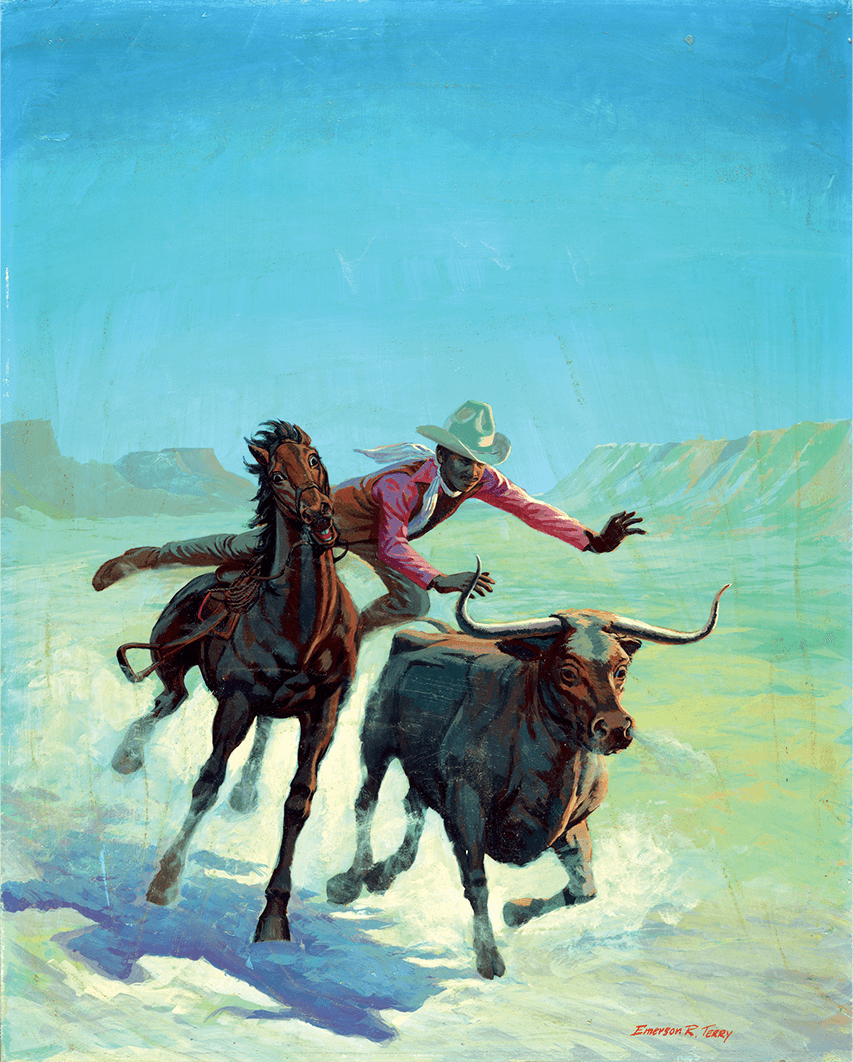
The ropes fell away. The steer erupted, bucking and spinning in a cloud of dust. Sam gripped the saddle horn and held on, laughing as the beast lunged through the gate and down the main street of Cheyenne.
People scattered. “Lord, have mercy!” someone shouted.
“Sam whooped. “Ride that beef!” he yelled, waving his hat as the steer bolted straight toward a clothing store with a big glass window. Inside, mannequins in fancy suits stood as still as statues.
The steer saw its reflection and charged. The window exploded into a storm of glass. Sam ducked as they crashed through racks of coats and dresses. The animal bellowed, kicking over tables and sending hats flying. Sam clung tight, laughing through the chaos.
Moments later, they burst back into the street. The steer stopped, panting. A red petticoat hung from one horn, a pair of pinstriped trousers from the other. Sam sat tall, his hat somehow still on his head, a silk ribbon trailing from his shoulder.
The crew galloped up, shouting and laughing. Walker dismounted, half angry, half amazed. “Sam, what on earth possessed you?”
Sam grinned. “Just getting in some shopping, Boss.”
The townspeople stared as he slid down from the saddle. He patted the longhorn’s flank and turned to the shopkeeper, who stood in the shattered doorway. “Sir,” Sam said politely, removing his hat. “I believe I owe you a window.”
He reached into his vest, pulled out his trail pay, and counted off bills until the man’s eyes widened. “Three hundred fifty dollars ought to cover it,” Sam said. “Charge it to the Longhorn Express.”
The sheriff rode up, taking in the scene. “You paying for the damage, son?”
“Yes, sir,” Sam replied.
“Then I guess there’s no trouble here.”
Walker threw his head back and laughed. “Sam, you’re a legend now.”
The story spread faster than wildfire. For years, folks told of the Black cowboy who rode a longhorn straight through Johnson’s Fine Dry Goods and paid every cent for it. Walker always ended his retelling the same way: “Bronco Sam wasn’t afraid of anything. Could ride the devil’s own bull if he wanted—and did!”
When the big cattle drives ended, the open range gave way to fences and railroads. Men like Sam moved on to ranch work, rodeo, or railroad jobs. Some, like Bill Pickett, made a name for themselves in Wild West shows. Pickett invented a stunt called “bulldogging,” where he leapt from his horse and wrestled a steer down by biting its lip. Crowds loved it, and it evolved into the rodeo sport we now know as steer wrestling.⁴
Others, like Jesse Stahl, proved their talent in the ring. Stahl was one of the world's best bronc riders. When he was cheated out of first place, he mounted another horse backward, holding a suitcase, and shouted, “I’m going home!” as the crowd roared.⁵
Nat Love kept his promise and published his own story in 1907.² Bose Ikard’s tombstone still bears Goodnight’s tribute.³ Old Add Jones lived to hear songs about his rides.¹
As for Bronco Sam, he faded into the quiet years of history, but his story remained. The tale of the longhorn ride became more than a prank; it became a symbol of Black pride and resilience on the frontier. Historians later confirmed what the trail riders already knew—one in four cowboys on the range was Black.⁶
They had eaten beans and hominy, slept under the same sky, and earned the same calluses as any man alive. They had taken a word meant to belittle them and turned it into a banner of skill, courage, and brotherhood.
And somewhere beyond the edge of memory, in the hush between hoofbeats and laughter, the spirit of Bronco Sam still rides, free as the wind over the Texas plains.
End Notes
1. Addison “Old Add” Jones and Black cowboys as trail hands and range bosses: see the “Addison Jones” entry at BlackPast.org and educational notes from the National Cowboy & Western Heritage Museum.
3. Nat Love’s account of his life as “Deadwood Dick” and his Fourth of July contest wins and writings: The Life and Adventures of Nat Love, Better Known in the Cattle Country as ‘Deadwood Dick,’ by Himself (Los Angeles: Wayside Press, 1907).
4. Bose Ikard’s work with Charles Goodnight and the epitaph praising his loyalty and courage: “Ikard, Bose,” in the Handbook of Texas Online (Texas State Historical Association), including the text of Goodnight’s tribute.
5. Bill Pickett’s invention of “bulldogging” and its evolution into modern steer wrestling: articles and exhibit texts from the Oklahoma Historical Society, the National Cowboy & Western Heritage Museum, and the Smithsonian National Museum of African American History and Culture.
6. Jesse Stahl’s bronc-riding career and his backward exhibition ride with a suitcase as a protest: regional rodeo histories, such as the Oregon Encyclopedia, and summaries from the National Cowboy & Western Heritage Museum.
7. Estimates that roughly one in four nineteenth-century trail cowboys were Black, especially in Texas: syntheses in Smithsonian Magazine and Library of Congress features on Black cowboys in the West.
More Chapters
Choose your Trail