Under
the Blood Moon
Stagecoach Mary
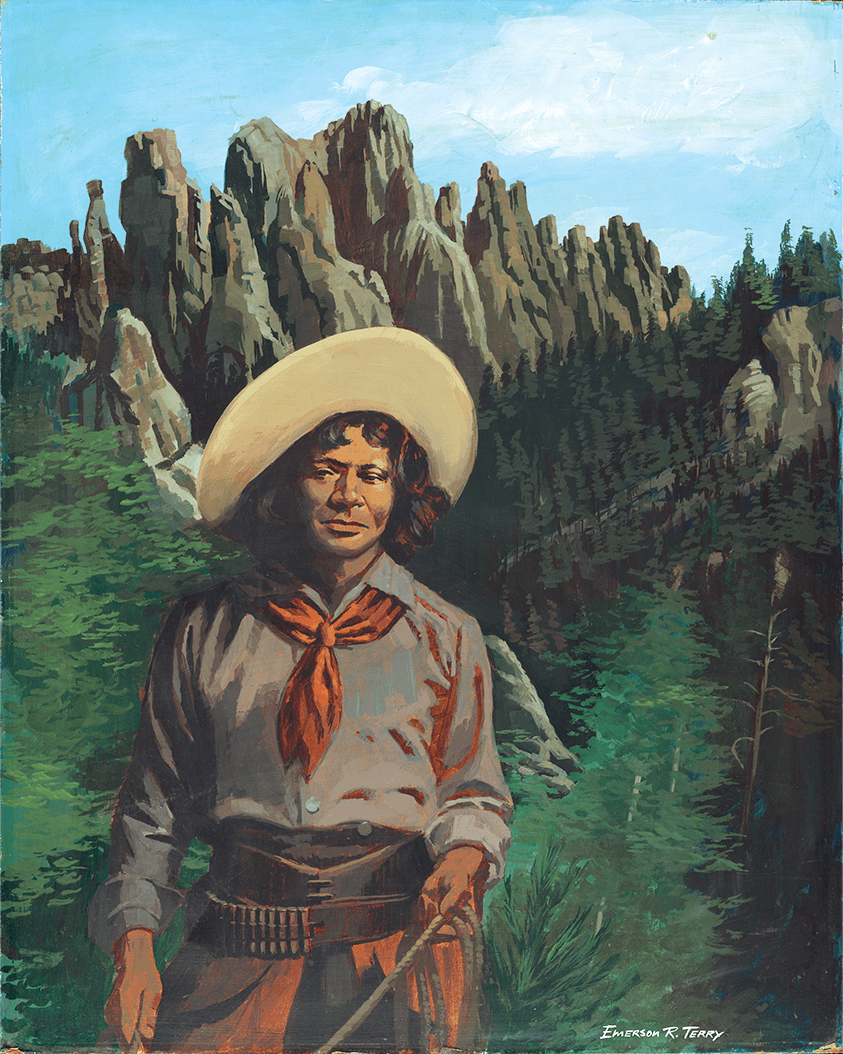
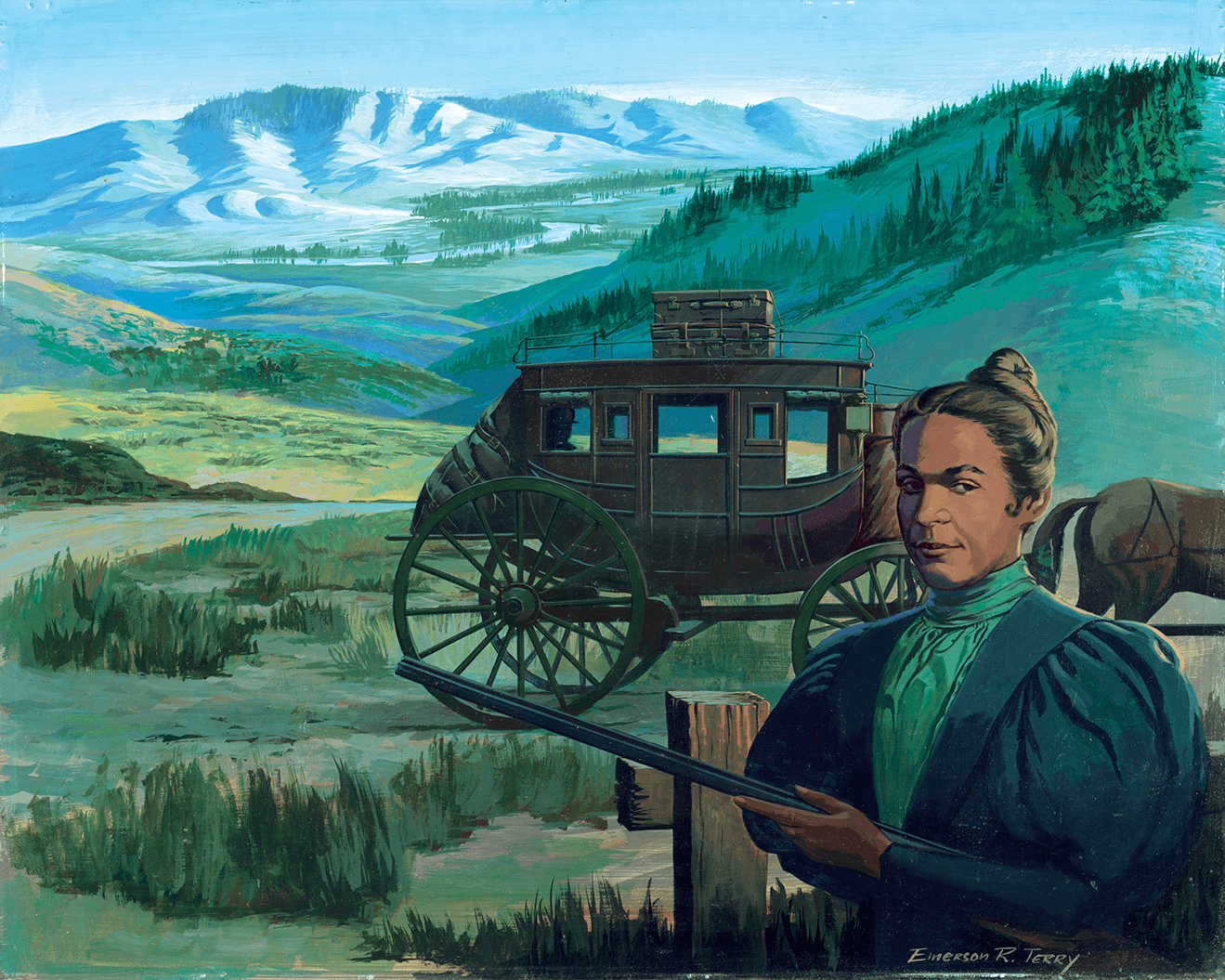
Mary Fields hitched the off-side trace of her sorrel mare, Combahee, just as the first lavender band of daylight peeled across the rim of the Highwood Mountains. Her shoulders filled a buffalo hide duster mottled by years of sleet, gray braids coiled tight against her flat, crowned hat. At sixty-odd years, she still moved with a prizefighter’s balance. Strangers often mistook her outline for a long-limbed man until the light caught her cheekbones, and Mary liked the confusion; it granted a little breathing room in a world that believed women should stay behind lace curtains.
She tightened Combahee’s breast collar, then checked the second horse, Yemassee, sliding a gloved palm over the black’s withers. Both animals settled at her touch. Mary inhaled crisp air, juniper and wood smoke under the iron tang of distant snowstorms, and beneath it all niwa-kʼop, earth breath, a Blackfoot word she had learned working alongside Métis freighters. That breath reminded her whose land she crossed, Niitsitapi territory, where Blackfoot hunters had galloped long before white surveyors etched rail lines across the coulees.
Boot steps crunched behind her.
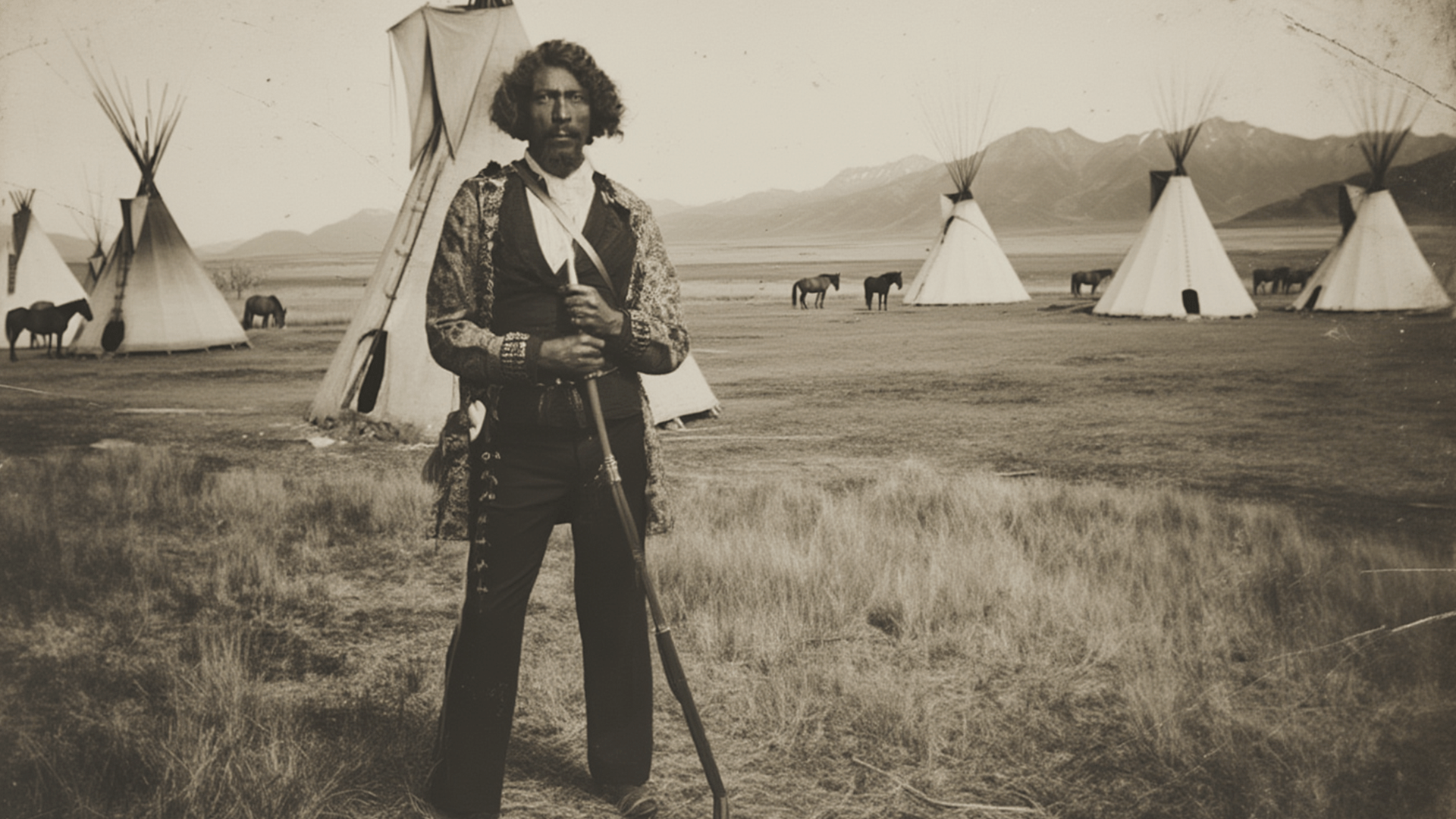
“Morning, Miss Fields,” called Thomas Red Johnson, the lanky blacksmith whose blue-black hair shimmered in the half light.
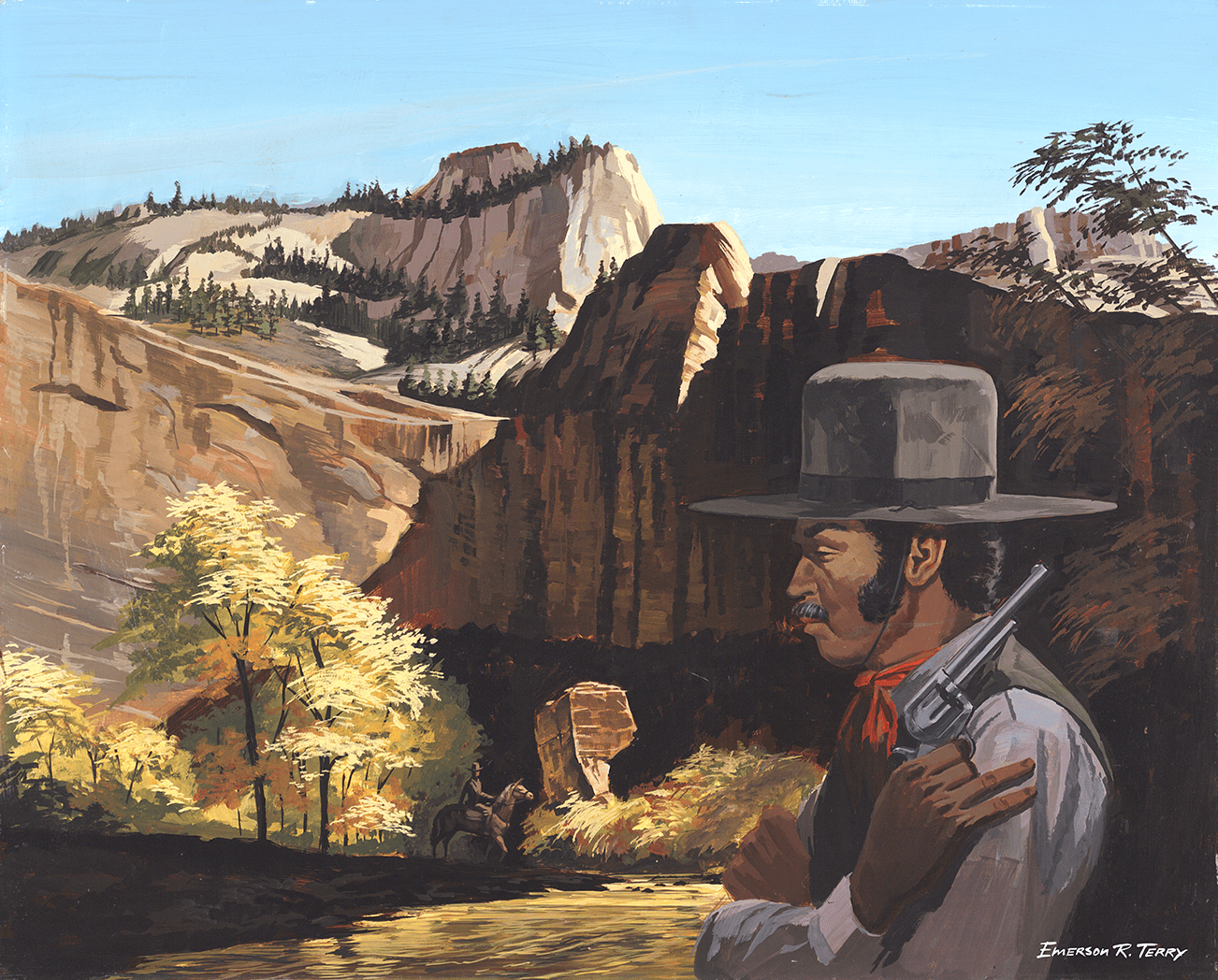
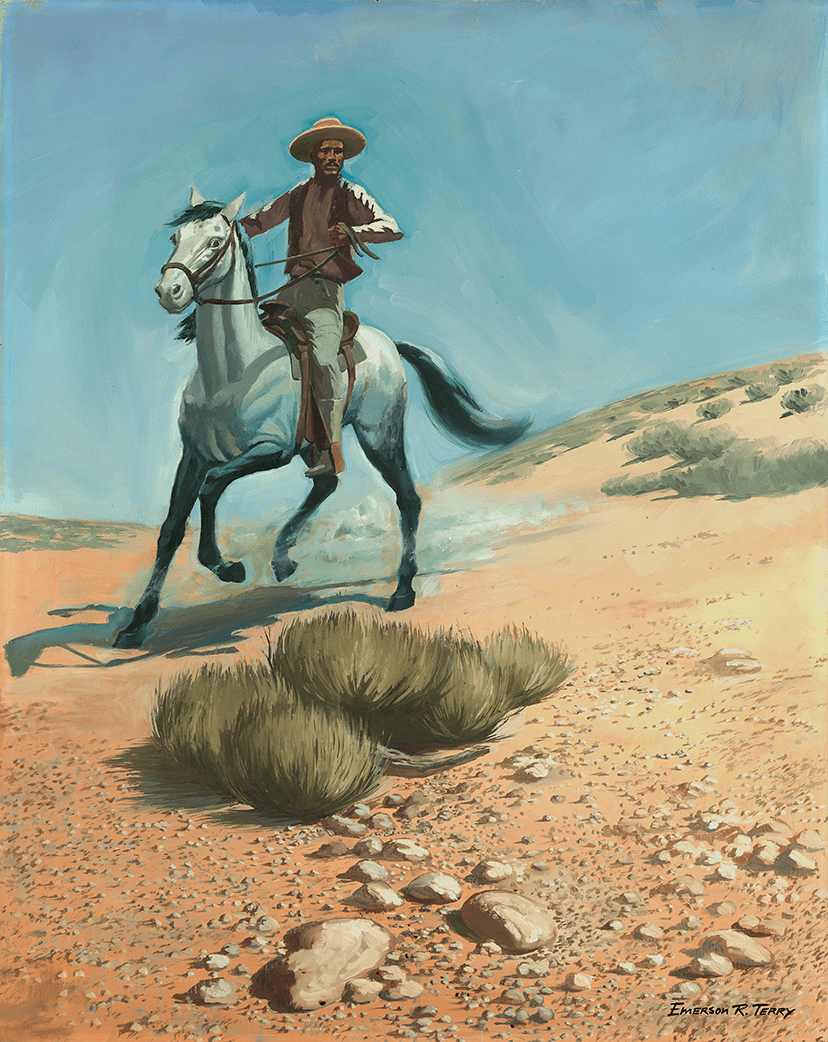
He carried himself with a Buffalo Soldier’s bearing, back straight, chin tucked, the faintest hitch in his right knee where a Comanche arrowhead still lived. Red’s gaze swept the harness before resting, steady and companionable, on Mary’s face.
“Heard talk of bandits roaming Sun River Canyon. Figured you might accept a shotgun guard, at least until the thaw.”
Mary’s laugh rippled deep and warm.
“Boy, I was dodgin’ bullets before you quit your weanin’ song. But another set of eyes never goes wasted. Climb aboard.”
She tossed him a Greener coach gun. Red caught it with practiced ease and swung onto the bench beside her. In another life, he had chased rustlers across the Jornada del Muerto; now he shoed ponies and tempered plowshares at his forge beside the Missouri. Mary respected how he let the anvil quiet his war ghosts.
They nudged the horses and coach into Cascade’s waking street. Frost blurred the saloon’s windows. Across the square, the convent bell tolled, calling the Sisters of Providence to morning prayer. In the yard, Mother Amadeus Dunne, trim and gray-eyed, raised a mittened hand in blessing. Mary tipped her brim. Their sisterhood ran deep; the Irish nun had once nursed Mary through pneumonia; Mary had hauled nuns and children over sleet-packed passes during the winter of eighty five and later drove freight for their far-flung mission.
As they crossed the last plank bridge out of Cascade, Mary glanced once more at the convent gate. For all her rough edges, she carried the sisters’ faith like an ember, one she fed with movement, not confession. Her gospel was grit, labor done in dignity was a kind of prayer; keeping one’s word was a psalm.
❦
The coach rattled north along the Missouri Breaks, snow-crusted cottonwoods flicking past like white-robed sentinels. Red angled a glance at the single pebble sitting on the dash, a green-blue chrysocolla stone polished smooth by generations of palms.
“Never figured you sentimental, but you guard that rock like bullion,” he said.
Mary brushed a thumb over the stone.
“Daddy pried it from New Mexico soil at Fort Bayard, gave it to Mama. Mama stitched it inside my hem the day Pattison forced us onto the Tennessee auction block. She said the ocean fit inside that color, water no shackle could hold. Night riders burned us out and I still had that pebble. It reminds me the ground remembers us, even when the ledgers forget.”
Red nodded, running a scarred fingertip along the Greener’s barrels.
“Memories walk beside a body on quiet nights.”
He did not ask more, and Mary preferred people who could read a thing and set it down respectfully.
By mid-morning, the sky dimmed pewter and a hush gathered, a predator’s hush. Mary guided the team down a switchback that hugged the canyon wall. Icicles fanged the limestone. Below, the river slid beneath a skin of iron-gray ice.
A rifle cracked. Splinters burst from the driver's side wheel; Combahee screamed and tossed her head. Three riders erupted from the pines ahead, faces swaddled in kerchiefs. Leading them was Curly Riggs, a lank-jawed drifter sour from the Panic of ninety three. He leveled a Winchester.
“Mailbags first, pride second, Granny,” he barked. “Toss ’em and ride out whole.”
Mary’s voice turned to flint.
“Star route don’t yield.”
She flicked her muzzle loader from beneath the seat and fired; the shot clipped Riggs’s hat, sending it spinning into the gorge.
Red crouched on the flyboard, twin barrels booming. Buckshot peppered a second bandit’s thigh; the man howled, horse rearing. Amid the din, the offside wheel snapped; the coach lurched into a drift. Combahee and Yemassee thrashed until Mary’s low chant stilled them, verses braided from Carolina field shouts and Combahee River prayer, the old cadences she had carried west inside her ribs.
Riggs regrouped, rage boiling. He stalked forward, rifle raised. Red stepped between him and Mary, no flourish, just presence.
“You will step over me first,” he said.
“Suit yourself, Johnson.” Riggs thumbed the hammer.
Mary’s shout cracked like a quirt.
“Now, Red!”
Red hurled the chrysocolla. The stone struck Riggs’s cheek. His shot went wild, ricocheting off limestone with a banshee scream. Mary vaulted down, drove her boot into Riggs’s ribs, and pitched him toward the riverbank. Ice groaned, spider-webbed, then swallowed outlaw and rifle alike in a roar of slush. Silence rushed back except for the river’s muffled breath.
They checked pulse and shore; the canyon took what it wanted. Red recovered the stone downstream, scratched, colder, but whole.
❦
The axle was ruined, and storm clouds stacked like anvils. Mary and Red shifted mailbags onto a travois fashioned from lodgepole pines and rawhide. Snow began, first sifted flour, then goose down clumps. They built a fire at the gorge mouth; sparks whirled into the wind.
Red’s cheek bore a crescent where a splinter grazed him. Mary dabbed whiskey on the cut.
“Could have carved deeper,” she murmured.
He studied her, broad shoulders silhouetted against flames, jawline obscured by the hat’s shadow, voice neither pitch high nor barrel deep but balanced somewhere in the middle, like an andante played on a single string.
“I have met sergeants who lost nerve quicker,” he said.
“Fear is an old acquaintance,” Mary replied, testing the travois lashings. “You nod polite, then keep walking.”
Snow muffled the world; the gorge became a private cathedral. Overhead, clouds parted just enough to reveal a copper-stained full moon, the earth’s shadow painting it blood red.
“The elders I knew called that kind of moon a test,” Mary said.
“Grandma’s grandma carried Choctaw blood through the Trail of Tears. Told me a blood moon asks whether your heart can hold quiet.”
She let the silence answer for her.
Red rested a palm on the log between them, gloved fingers inches from hers, sharing heat. No need for clasped hands or whispered vows. Their nearness radiated brighter than the fire.
“Combahee,” Red said after a time, trying the name on his tongue. “That your mare’s handle for a reason?”
“Name I took for her the day I signed the star route. For a river back East that ran black and stubborn. For the raid that freed hundreds in the year the war turned. For the woman who led it.” Mary’s eyes found the pebble’s blue. “You name a horse after freedom, she will try to live up to it.”
Red nodded.
“Then we better do the same.”
❦
By dawn, the snow relented. They hitched Combahee and Yemassee to the travois, the coach’s red star route flag lashed atop the load, a ragged banner that still promised delivery. The march back to Cascade was slow. Red hummed a low spiritual Mary knew from Tennessee quarters. She harmonized a verse under her breath, their voices weaving a rope sturdy enough to haul sorrow.
When Cascade’s steeple winked on the horizon, townsfolk rushed out, cheering. Children clapped mittened hands; loggers doffed caps. Mother Amadeus greeted them, eyes wet.
“You two are answered prayer,” she said.
Mary handed over the postal ledger.
“Prayer’s got calluses, Mother. But it delivers.”
Red unloaded the last sack, then lingered, touching the broken axle as if reading a wound.
“She will need smithing,” he said. “I will work the forge evenings till she rolls free.”
He met Mary’s gaze, steady and unguarded.
“Would not mind company while the iron cools.”
Mary’s grin tugged one corner of her mouth like sunrise lifting a hill shadow.
“I will bring coffee and a deck of bones. We will see who owns more luck.”
❦
That night Sullivan’s Saloon throbbed with piano and fiddle, the tune part steamboat stomp, part sanctified shout, born where barrelhouses met baptism. Oil lamps cast amber halos over pine floors worn slick by years of boots keeping time to freedom’s beat.
Mary entered in her habitual plain shirt, sleeves rolled over sinewy forearms, red neckerchief tied sailor flat. A Winchester rested behind the bar at her request, but tonight her hands were empty save for a tin cup of chicory.
Red, coat dusted clean, approached. Instead of extending a courtly dancer’s hand, he tapped two fingers against his heart, a cavalry salute reclaimed for friendship. Mary mirrored the gesture.
They stepped into the dance square as two longtime trailmates charting a new cadence. The caller struck his boot heel twice and hollered, “Set to your partner,” and the piano answered. Mary set her boots in time, hat brim low, shoulders easy. Red matched her rhythm, sometimes leading, sometimes following, each reading the other like hammer and anvil. When the tune ended, they shared a satisfied nod.
At the bar, they nursed sarsaparilla and coffee while gamblers hurled dice in smoky corners. Red thumbed the chrysocolla, now cleaned and glinting. He placed it on the counter between them.
“Stone’s yours,” Mary said. “Part of your shot saved our hides.”
Red pushed it back.
“Belongs with the driver who keeps promises. I am just the hammer in the forge.”
“Then we share it,” Mary said. “Like we share the road.”
They left the stone on the polished pine, letting lamplight dance across its tide blue veins.
❦
Morning found Mary already at the livery, sleeves rolled, steam pluming from her coffee cup. Red arrived with a box of bolts and a hand-forged linchpin. Mary ran the file over the axle’s scar while Red fitted a band of iron, the metal ringing bright declarations as he tapped it home.
“You shoe horses for the convent too?” Mary asked.
“Sometimes,” Red said. “Mother Amadeus pays with stew and favors owed, which spend better than coin. She keeps a list of widows who need roofs patched, fences shored. I do what I can.”
Mary nodded.
“Sister’s got a long memory for who needs what.”
“She got it from you, you know.”
Mary snorted.
“She had it before I could spit.”
Red grinned.
“Maybe. But when folks tell stories about her courage in blizzards, I always hear your boots crunching next to hers.”
Mary thought about that, how the blizzard story had grown over the years, the drifts higher each retelling. What stuck to her ribs was not the danger or the applause; it was the look in a child’s eyes when you arrived with warmth, the way a woman’s shoulders dropped when you said, We made it. From the outside, that looked like courage. From the inside, it felt like duty, and duty felt like breath.
They broke for coffee on the tailgate. A pair of Blackfoot riders passed on the road, one raised two fingers in greeting. Mary returned the sign. She had hauled freight alongside Niitsitapi men and Métis women more winters than she could count, trading Blackfoot words for Gullah lullabies. Empire laid lines across the land; people braided across them anyway.
“Never did ask,” Red said, “what made you take the mail contract when you could have kept on with the sisters.”
Mary shrugged.
“Road needed me. Sisters, too, but they wanted more yes than I had left. I am better at ‘I will get it done’ than ‘Yes, Mother.’ Besides, I like the sound a coach makes when you coax it through trouble.”
Red laughed.
“I like the sound hot iron makes when it gives.”
❦
They finished the repair by afternoon. Mary hitched Combahee and Yemassee, ran a final hand over the mare’s neck.
“You ready?”
The horse breathed out, a soft steam ribbon in the cold.
“Run’s late but not lost,” Mary said.
“Ride company?” Red asked.
Mary considered. The canyon might be quiet after yesterday’s lesson, and there were widows waiting on medicines, letters waiting on answers. She liked Red beside her on the bench, liked how his attention widened the road ahead without crowding her hands on the reins.
“Climb up,” she said.
They rolled out once more. The river wore a dull pewter sheen as they passed through the canyon, this time without gunfire or falling stone. By late day, the team had settled into a surefooted trot, and the ruts had frozen firm beneath the wheels.
❦
By dusk, they reached the far post. Mary locked the ledger and tucked it beneath the seat, then slumped against the coach step for a breath, hat brim low. The road had worked its good ache into her shoulders and knees, an ache that said, You carried what needed carrying. Red rubbed Combahee’s blaze until the mare’s eyelids drooped.
“You named her right,” he said.
Mary nodded.
“She carries like a river, steady even when it runs hard.”
He handed her the spare linchpin he had kept against need.
“For next time,” he said.
“There is always a next time,” Mary said.
They ate bread and salt pork on the stoop. The night sounded bigger than anyone's life. Mary thought of all the names the world had for her, Mary, Miss Fields, that stubborn woman, Stagecoach Mary, and the names it did not: daughter sold, friend who stayed, woman who did what she said. She liked the last name best. It kept her back straight.
Mary looked toward the dark horizon.
“Some roads ride together a little longer,” she murmured.
Red nodded, lantern flame catching in his eyes.
“Then let us ride careful.”
The lantern’s light curved over their boots and the coach wheels, then stretched down the ruts toward morning. High above, the moon floated pale gold, the blood-red stain long gone, the test complete. In Cascade, the chrysocolla stone on Sullivan’s bar would glimmer beneath dying lamp flame, tidal and free.
End Notes
1. William Loren Katz, The Black West: A Documentary and Pictorial History of the African American Role in the Westward Expansion of the United States, rev. ed. (New York: Harlem Moon, 2019), esp. pp. 115–118 on Mary Fields and Black trail labor.
2. LaDoris Hazzard Cordell and William Loren Katz, eds.; and Heike Paul, drawing on material summarized in LaNella W. Haaland, African American Women of the Old West (Englewood, CO: Fulcrum, 2003), pp. 52–56, for biographical details on Mary Fields and her work with Mother Amadeus in Montana.
3. Virginia Scharff, Twenty Thousand Roads: Women, Movement, and the West (Berkeley: University of California Press, 2002), pp. 147–150, for Afro-Indigenous and Métis labor networks in nineteenth century freight culture.
4. Ira Berlin and Leslie S. Rowland, eds., Families and Freedom: A Documentary History of African American Kinship in the Civil War Era (New York: New Press, 1997), for traditions of carrying soil, keepsakes, and memory objects through enslavement and migration.
5. Contemporary newspaper sketches and convent correspondence on Mary Fields as a Star Route carrier, including the Great Falls Tribune (Great Falls, Montana), October 4, 1895.
More Chapters

Choose your Trail