Splendid
Behavior
Bose Ikard
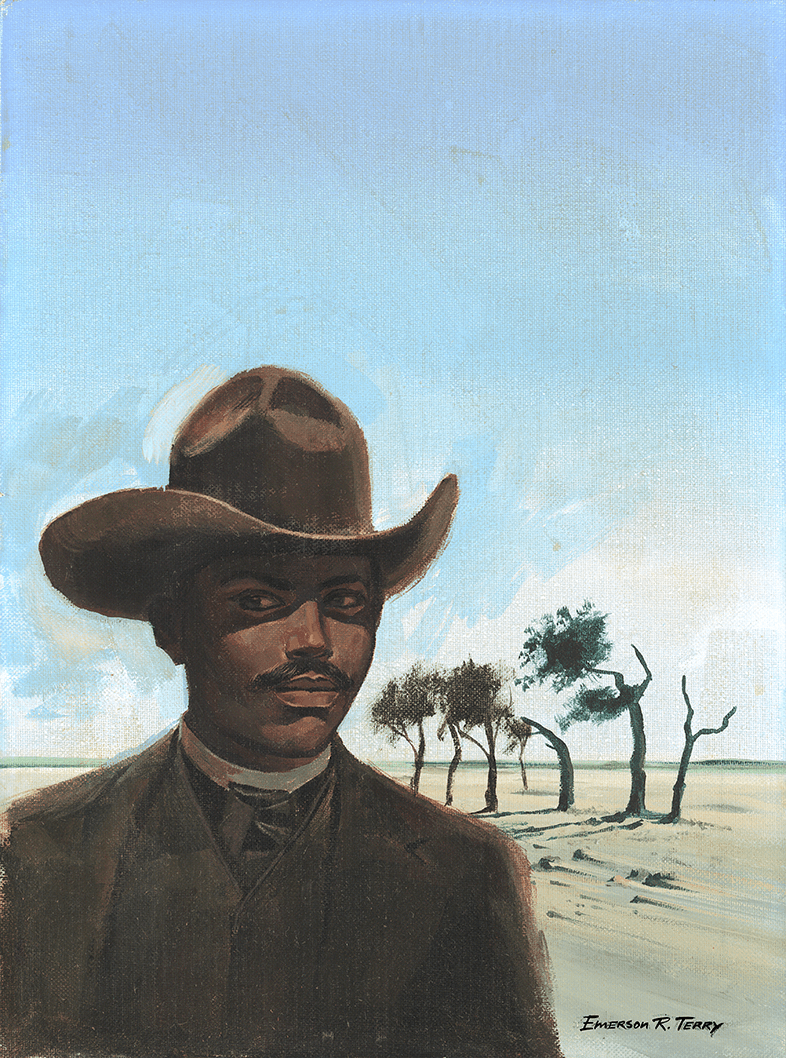
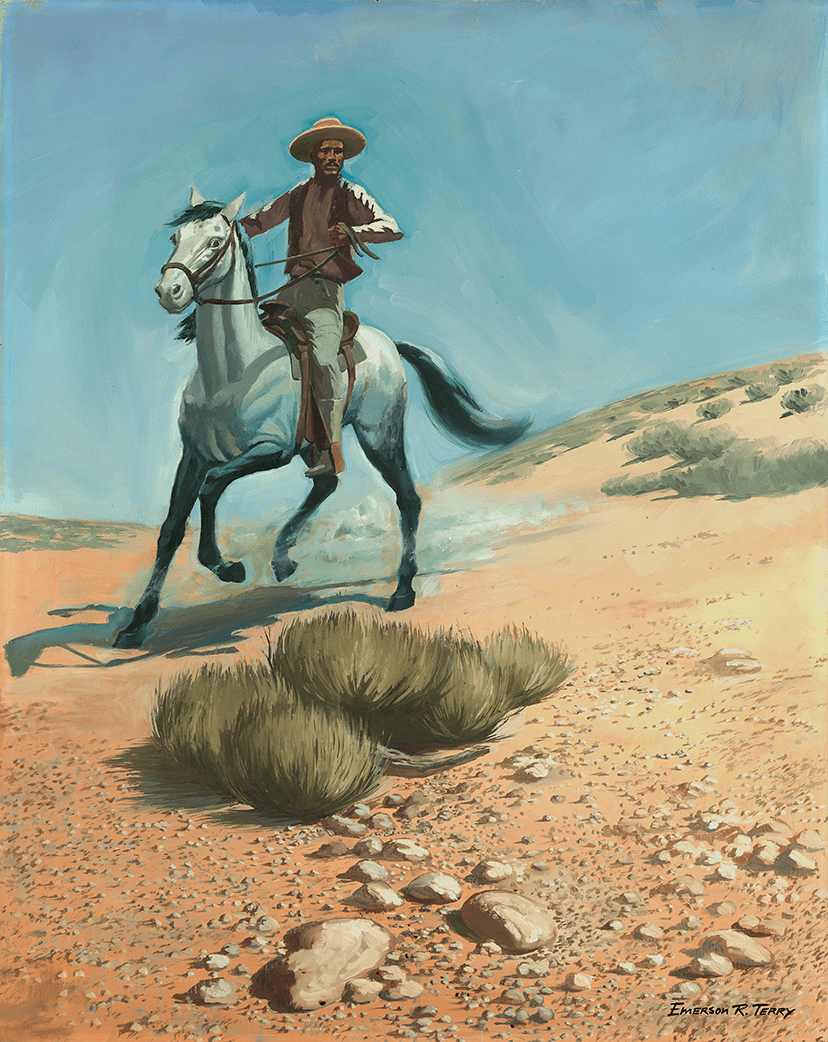
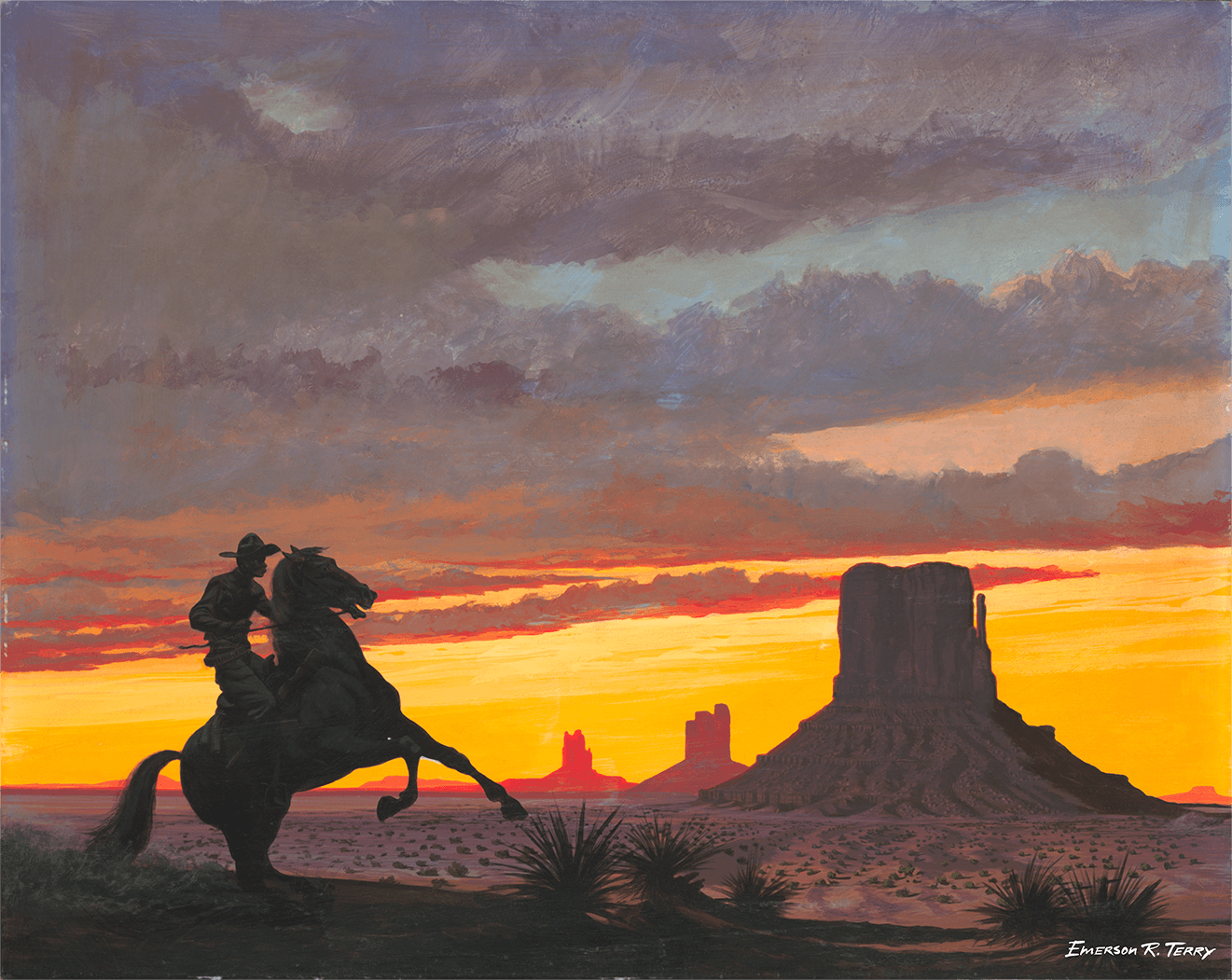
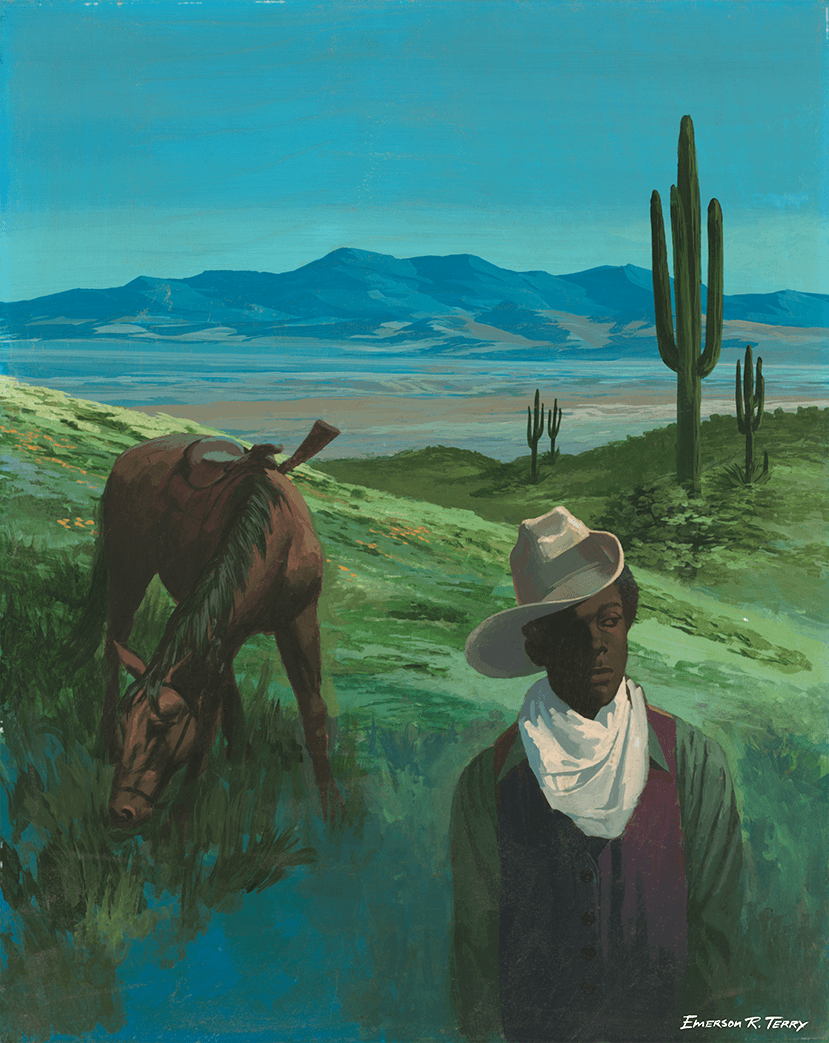
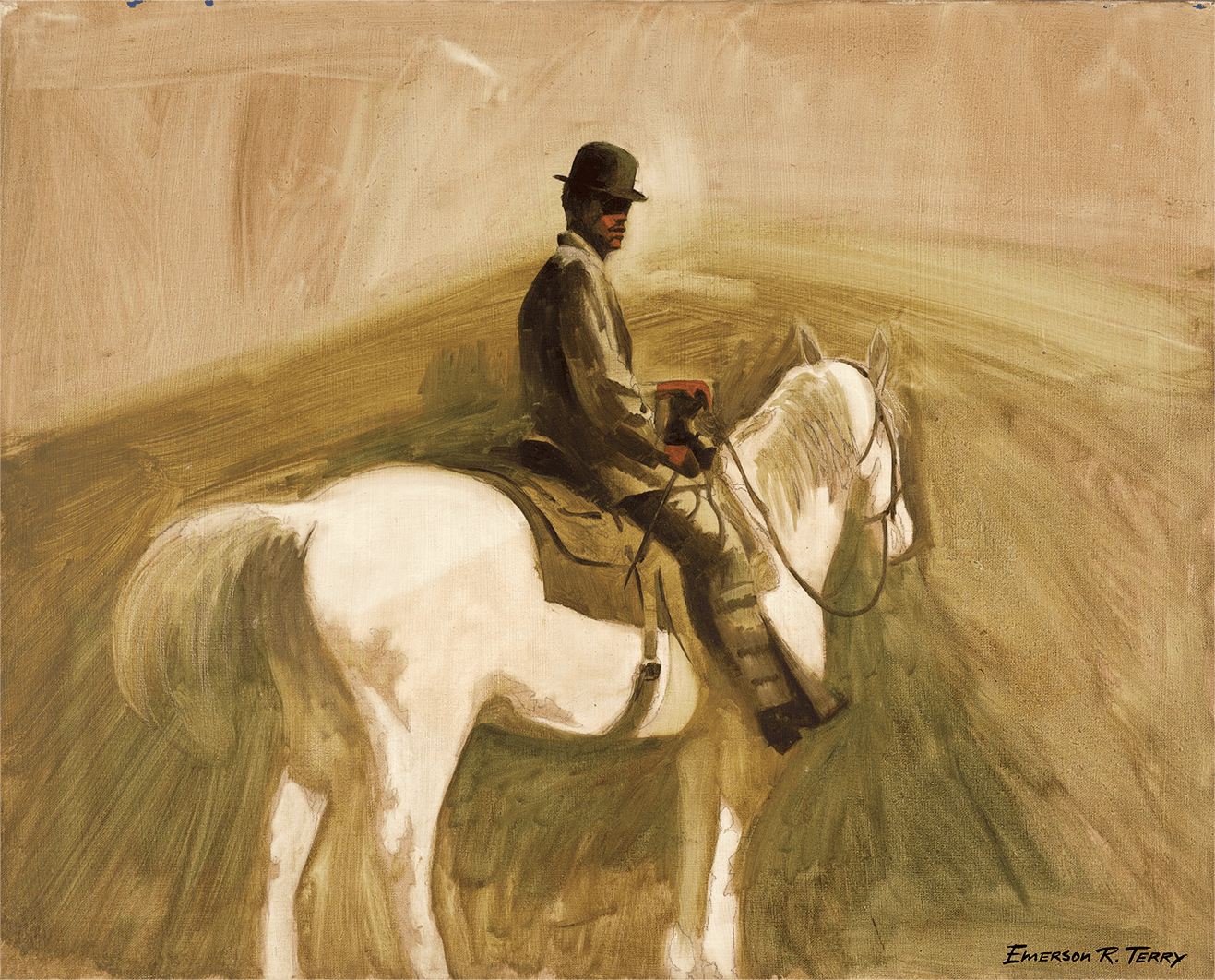
Bose Ikard rose in the violet hush before dawn, when stars still ruled the Texas sky, and the wind smelled of wet limestone and mesquite. He palmed the gray gelding’s nose, felt the animal’s breath warm against his fingers, and saddled with a care learned in harder years, blanket smooth, cinch true, no hurry.
Behind him, the fire crackled with the talk of men, tin cups clinking like small bells. Freedom, he thought, was not the word printed on papers back East but the quiet weight of being trusted to do the job and come back with everyone breathing.
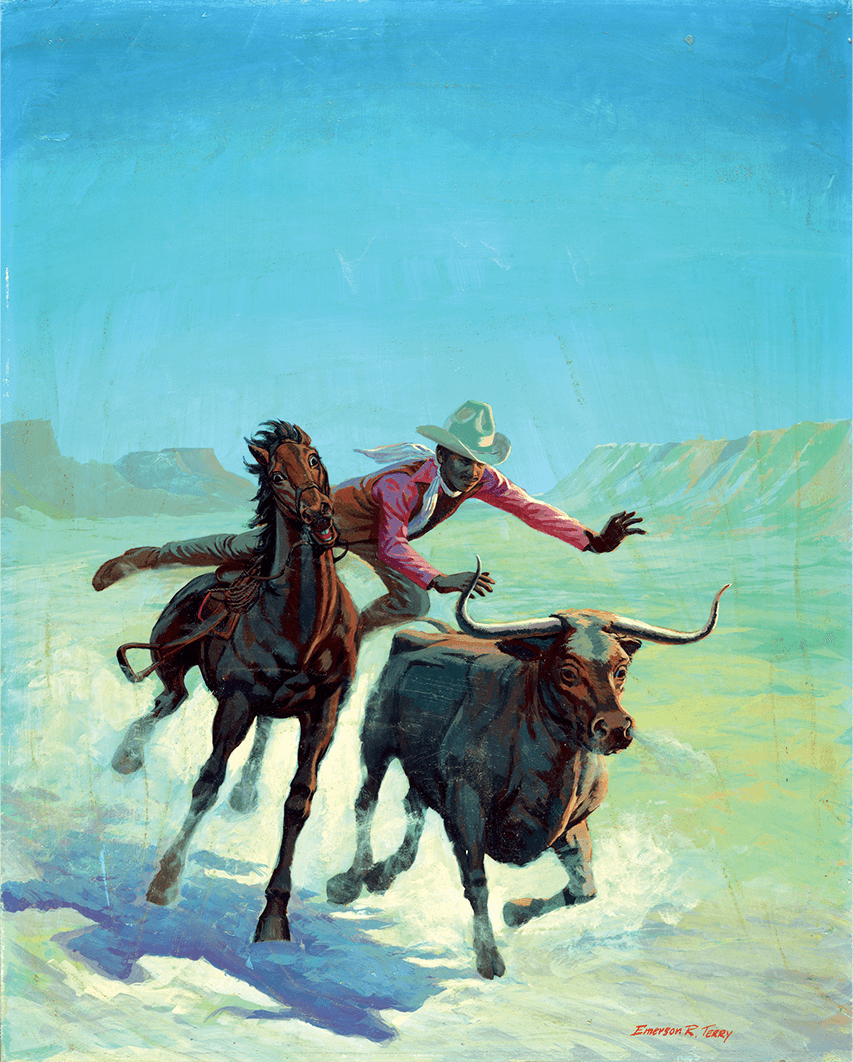
He took his coffee black and grainy from the boil. The herd, eight hundred longhorns, shifted and sighed like a living storm.
“Morning, Bose,” came the low rumble of Charles Goodnight. The captain handed him a sealed leather pouch. “Gold for the fort. You keep it close. If trouble rides up, you talk before you shoot.”
Ikard weighed it, small and heavy. “Yes, Cap’n.”
Goodnight’s eyes softened. “I’ve trusted you farther than any living man. Don’t make me a liar.”
“I won’t.”
He slipped the pouch inside his vest, where it warmed against his ribs.
❦
They moved at first light, the herd uncoiling from sleep. Ikard rode point flank, reading the land the way some men read Scripture: the flash of yucca, the glitter that might be water or eyes. The sun climbed until it hammered the plains flat.
Memory came easy then, his mother’s humming, the rhythm of a ring shout, a childhood whip’s shadow he had long since outridden.
Near a stand of cottonwoods, a wagon sat mired to its hub. The herd balked. Ikard signaled a slow circle, slid from the saddle, and found a woman levering a wheel.
“Need a hand?”
“Need leverage,” she said, breath steady.
Together they lifted and braced until the wagon settled solidly.
“Angeline Mays,” she said, brushing dust from her cheek.
“Bose Ikard.”
Recognition flickered. “Goodnight, brags on you. Coffee’s thin, but it’s hot.”
They drank in the shade. “Fort Sumner,” she said. “I cook and patch the sick.”
“That’s where we’re bound.”
“Then maybe I’ll see you when the dust quits moving.”
“Maybe,” he said, and rode back to the herd. When he looked once more, she was cinching the load, profile clean against the trees like a coin struck in good metal.
❦
Night on the Llano came quickly. Stars opened bright as chips of ice. Ikard rode perimeter, humming low to calm the cattle. On the north rim, he saw riders, ponies pale in starlight. They watched but did not threaten. One lifted a lance hung with tin that caught the light. A peace sign.
Ikard raised his palm, fingers together. The riders vanished like breath. He told no one. Some matters stayed steadier without campfire tongues.
❦
Trouble found them two days later. The chuck-wagon tongue snapped in a rut; flour burst like ghost smoke. The pouch skidded beneath the wagon.
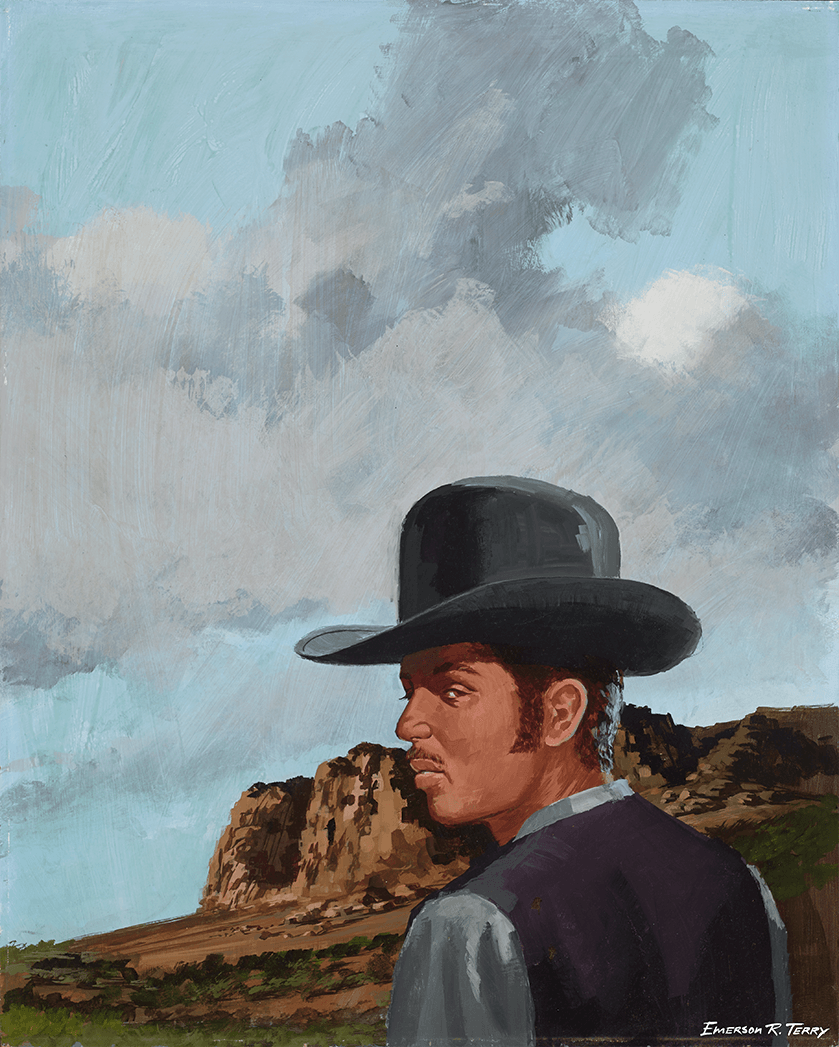
Before Ikard reached it, three men rose from the arroyo lip, rifles gleaming dull. Two wore the ragged gray of a war that wouldn’t die. The third’s hat brim curled like a sneer.
Shots cracked. Splinters flew. Cattle bawled and surged.
Ikard rolled behind a wheel hub, lifted his Spencer, breathed once, and fired. One raider dropped. Another wheeled his horse downslope.
The third came from the flank. Ikard heard hoofbeats out of rhythm with the herd, racked and fired again. The man pitched forward, arms loose. The leader’s shot went wild; then he vanished over the ridge.
“Bose!” Goodnight’s shout cut through the smoke. “You hit?”
“I’m breathing.”
“Then mount. Move the herd before it remembers to panic.”
When the dust settled, Goodnight weighed the pouch, found it whole, and pressed it back into Ikard’s hands. “You talk before you shoot,” he said. “But when you must shoot, you speak clear.”
Ikard nodded. Two men, different colors, same work under the same sky.
❦
Fort Sumner baked under a sun that left no shadows soft. The payroll changed hands; books balanced what bullets had risked.
By the cook shed, Ikard found Angeline ladling stew, sleeves rolled, face bright with heat. “You made it,” she said.
“Hard country,” he answered.
“Hard men to match.”
They found the same hour near sundown for coffee. She spoke of land—forty, maybe sixty acres, wheat where the soil liked it, onions where it soured. “A fence that tells the world what answers to my hand. I was a body without a border too long.”
Ikard turned his cup. “I’ve coin enough for a start.”
She studied him. “A start needs a partner.”
He looked at her, sun edging her cheekbone. “Angeline,” he said, quietly. “Marry me.”
“Ask plain,” she teased.
“That is plain.”
She traced her cup’s rim, measuring the circle. “Marriage is mending and fear that watches while you sleep.”
“It’s also mornings when coffee smells like we ain’t starving anymore,” he said. “A fence we build instead of one put on us.”
Her laugh rippled low and bright. “You talk like a Bible verse with spurs.”
“Should I try ordinary?”
“Don’t.” The word held her, yes.
They found a preacher who’d come west to save souls and ended up shoeing mules. He spoke the words; Ikard placed a brass ring on her finger, bought from a hopeful peddler.
❦
“They left the fort in autumn with two wagons, four cows, and a yoke of tired oxen. Turning east, they followed grass to black soil. Palo Pinto Creek whispered over stones. An old sod cabin waited. Ikard dug a well; Angeline planted winter wheat. Rows straight as hymns.
Goodnight visited come spring. He and Ikard rode the boundary silently, the language of respect. Back at the cabin, Angeline poured coffee; Goodnight tempered it with whiskey.
“You’ve a fine spread,” he said.
“Not a spread,” Ikard answered. “A home.”
“Same thing when a man’s lucky.”
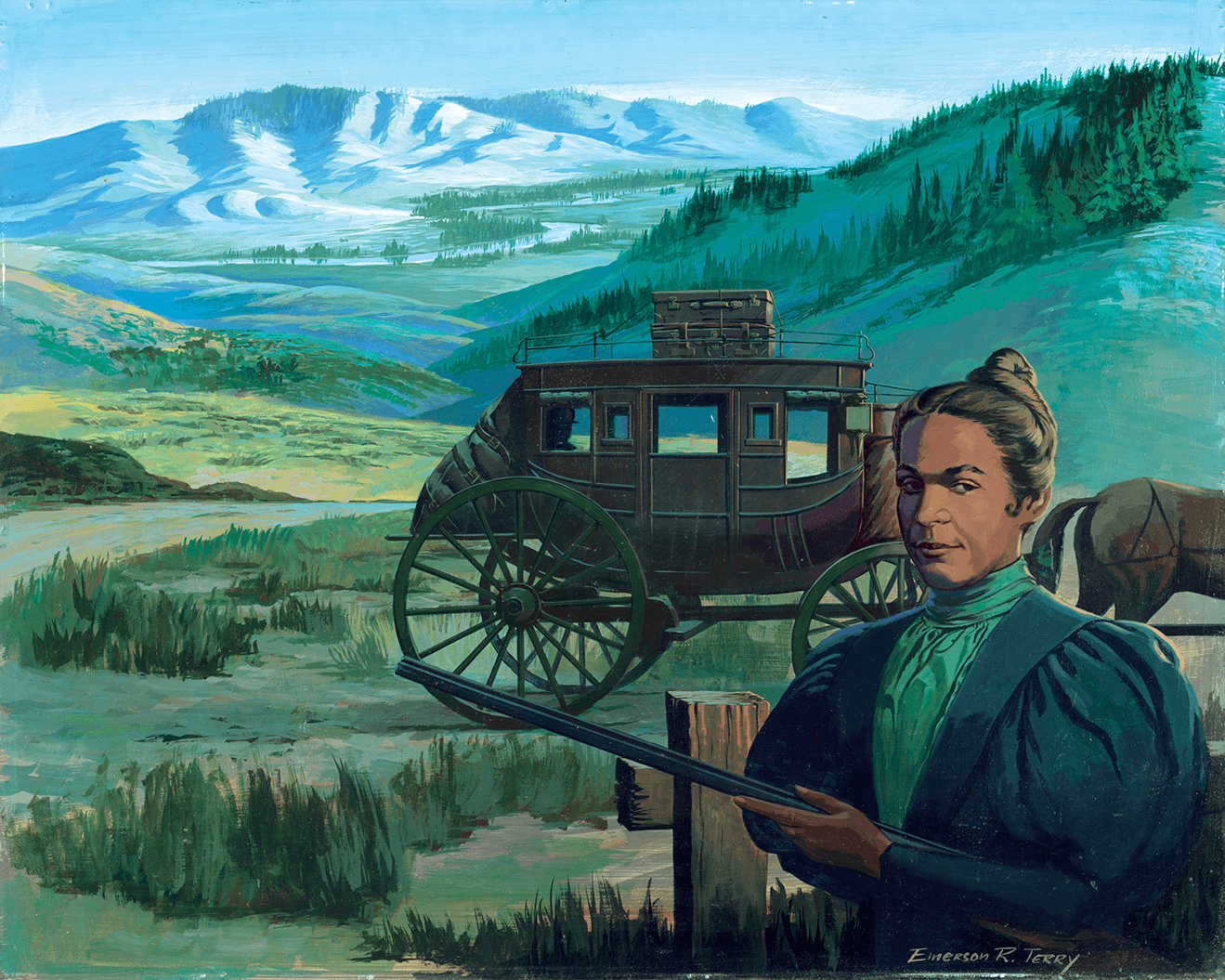
That night, boots scraped the porch. Angeline’s hand found the shotgun first. Three shadows filled the doorway—the leader’s scar catching moonlight, hat brim curled.
“Evening,” Ikard said. “You lost?”
“Found the right place,” the man growled. “Goodnight’s coin—hand it over.”
Angeline’s voice did not shake. “I’ve buckshot that says otherwise.”
She fired once; the porch rail splintered. One outlaw screamed, another ran. The leader flinched. Ikard stepped forward, drove his forehead into the man’s nose, wrenched away the pistol, and leveled it back.
“Trail ends,” he said.
The man ran into the dark. Ikard let him. Anger burned fences faster than
enemies.
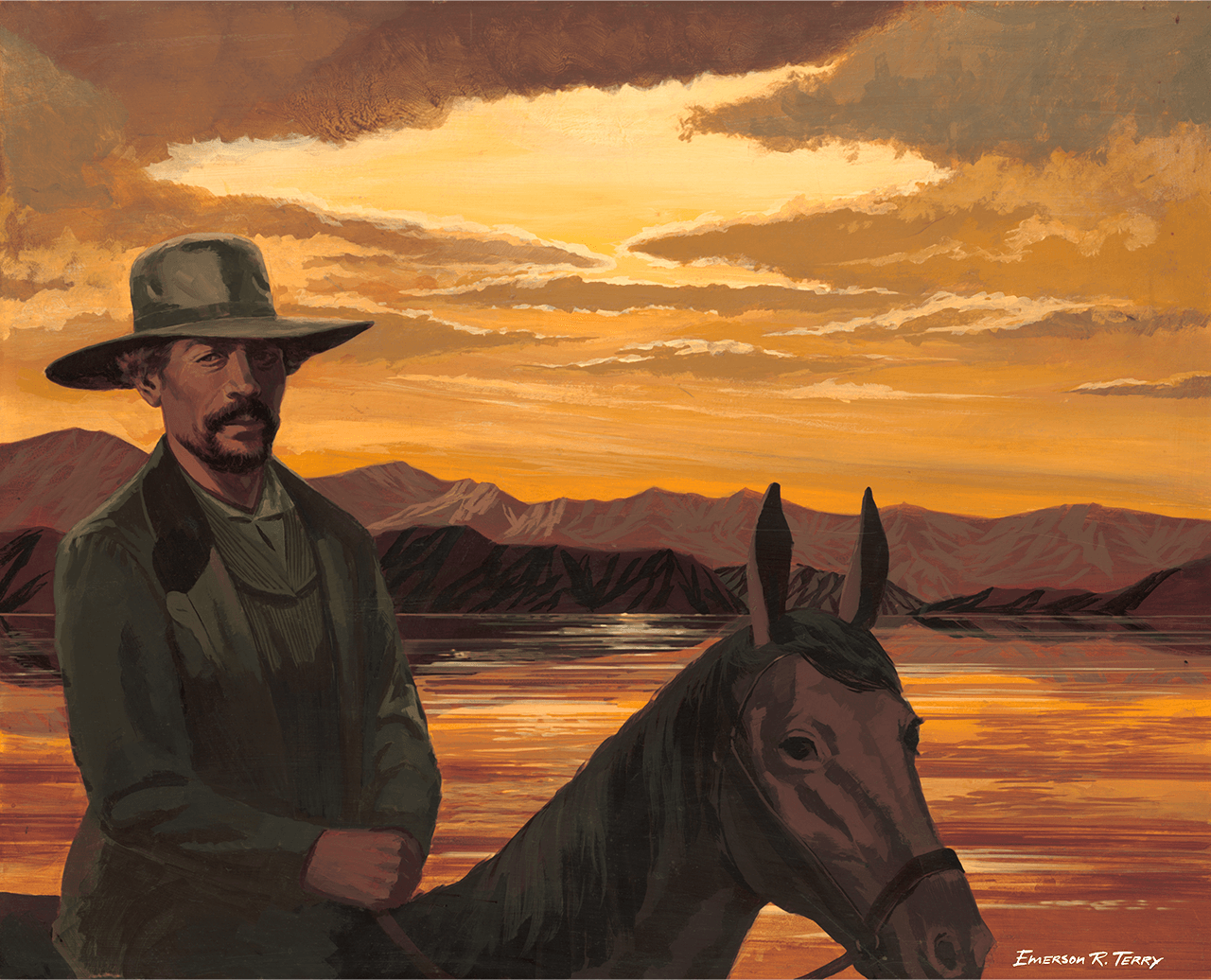
They sat on the steps and watched the sky bleed into gold. Angeline leaned beneath his arm, the shotgun resting across her lap.
“Cabin needs mending,” she said.
“Fence too.”
“We’re here, though.”
“We’re here.”
❦
Years turned steadily as wagon wheels. Children’s feet thudded on the floor; a peach tree took root; storms came and passed. Goodnight stopped by when his herds thundered north, still counting posts with Ikard, still pouring whiskey into coffee.
Once he said, “When you’re gone, Bose, I’ll see your stone carved plain.”
“I hope so,” Ikard answered.
He thought more of the living: the gray gelding’s foal, the boy who left gates half-latched, Angeline’s rhythm in the kitchen.
When age slowed him, he sat on the porch and watched bluebonnets lean and right themselves. Winter 1928 came cruelly. His breath rasped like wind through dry grass.
Angeline held his hand through long nights. The children read Psalms.
“Chains weigh nothing now,” he whispered. She caught the line to keep.
He passed quietly as a campfire cooling, letting darkness take its corner back.
Goodnight ordered a granite marker for the hill where bluebonnets played. The words were simple:
Served with me on the Goodnight Trail, 1866–1876. Splendid behavior.
Angeline traced the letters till they warmed under her skin. She planted seeds around the stone, bluebonnets that bloom best when pressed by hand.
Neighbors told travelers who asked who Bose Ikard was: the man who carried gold through danger, who could find cattle by starlight, who settled land and called it home. They spoke less of the weight he’d carried before all that, because some truths lie beneath words like stones beneath grass.
At dawn, quail rustled onion tops, and a ghost gray gelding’s whicker rode the breeze. Angeline, apron still on, stood by the grave and said his name to the air like a prayer meant for the wind to keep.
“Bose,” she murmured, and the prairie carried it until it found its rest.
❦
End Notes
1. Texas State Historical Association, Handbook of Texas Online: “Ikard, Bose” biography, partnership with Charles Goodnight, Weatherford settlement, and epitaph wording “Splendid Behavior.”
2. TSHA, “Goodnight-Loving Trail” route details from Fort Belknap → Pecos → Fort Sumner.
3. BlackPast.org, “Bose Ikard (1847–1929)” trail drives with Loving & Goodnight; epitaph language.
4. TSHA, “Texas Day by Day: Black cowboy Bose Ikard dies.”
5. Harvey County Historical Society, Arbuckles’ coffee records trail ubiquity context.
6. Historical Angeline/Angelina Ikard referenced in TSHA entry; marriage, homestead near Weatherford, and Goodnight’s trust confirmed. All private dialogue and interior moments are dramatized in Afrocentric interpretation, emphasizing labor, kinship, and self-defined land ownership.
More Chapters

Choose your Trail