Testimonies of Brown’s
Park (Part 1)
Isom Dart
The old Chinese man sat beside the Green River, its surface flashing like broken glass in the sun. His pipe rested cold in his hand, though he did not smoke. Once he had laid rails into mountains and desert, driving iron teeth into sandstone day after day; when the work was done, the shiny road carried others forward and left him behind. So he wandered. Brown’s Park caught him, as it caught many, outlaws, widows, cowhands, and fugitives who needed a valley hidden by ridges and guarded by silence.
“People come here to be forgotten,” he said softly to the water. “But the valley remembers.”
His name, when someone asked, was Wen. Just that. He kept notes the way other men kept knives: close and ready. He had seen too much not to tally it: Chinese crews scattered by riots, Black teamsters sleeping under their wagons, Ute hunters pushed from their winter ground. Here, in a place old maps had called Brown’s Hole, Wen had found work of a different kind: to listen.
That morning, a horse clattered down from the bluffs and stopped by the cottonwoods. The rider wore a badge dulled by dust and years. His coat smelled of tobacco and ordnance oil; his eyes measured things for size, not worth.
“Morning,” the sheriff said. “You Wen, the fella who writes without paper?”
“I listen,” Wen answered.
The sheriff hitched his reins and spat into the sand. “Then listen to this. Your man Dart, name’s Isom or Ned or whatever alias he’s working, been running stock through two counties. We’ve lost patience. Folks up in Baggs want calm, and calm takes enforcement.”
Wen studied the badge, half-buried in light. “Calm,” he said, “means different things depending on who defines noise.”
The sheriff frowned. “You’ve got clever talk for a drifter. But law’s law. Black, white, or yellow , you brand what isn’t yours, you pay. That’s the arithmetic.”
“Arithmetic,” Wen repeated. “I laid rails once. We measured mountain by inch and sweat. But the men who ordered it never touched a pick. Arithmetic belongs to the one holding the pencil.”
The sheriff’s jaw worked, chewing silence. Finally, he said, “You oughta be careful quoting philosophy in a cow country. It sounds like guilt.”
“Or memory,” Wen said.
The man swung back into his saddle. “You tell your friends this park’s getting fenced. Freedom ends where wire starts.”
When his hoofbeats faded, Wen stirred the coals and poured water over them until the hiss sounded like an answer the sheriff would not hear.
A half hour later, another rider appeared, smaller, wiry, the sort of man who smiled before speaking so you’d forget to count your silver. He wore his hat low and his humor lower.
“You the river listener?” he asked.
“I am the one who tries,” Wen said.
“Good,” the stranger grinned. “Then you oughta know I seen Dart three nights ago over by Jarvie’s. Said he was fixin’ fence, but that fence looked like it belonged to the Bassett spread. And that Bassett woman , Lord help us , she’d sooner trade bullets than recipes.”
“You call yourself friend or enemy to him?” Wen asked.
“Neither,” the outlaw said. “I admire a man who steals with manners. Hell, we’re all stealing something. Some take cattle, some take counties, some take breath from the next poor fool. Dart’s just more graceful about it.”
He squatted, picked up a flat stone, and flicked it over the current. “You ever notice, friend, the river don’t keep count? It just moves. Maybe Isom’s like that , don’t belong nowhere, so he belongs everywhere.”
“What is your name?” Wen asked.
The man touched the brim of his hat. “Call me Laughing Jack. When they hang me, it’ll look good on the poster.”
He laughed, a dry, sharp sound, and rode on toward the canyon, leaving the air lighter but no cleaner.
Wen waited until the echoes died. Outlaws and sheriffs both fed the same hunger: to draw borders around chaos and call it justice. He brewed new coffee, dark as questions, and watched steam ghost upward through cottonwood shade.
❦
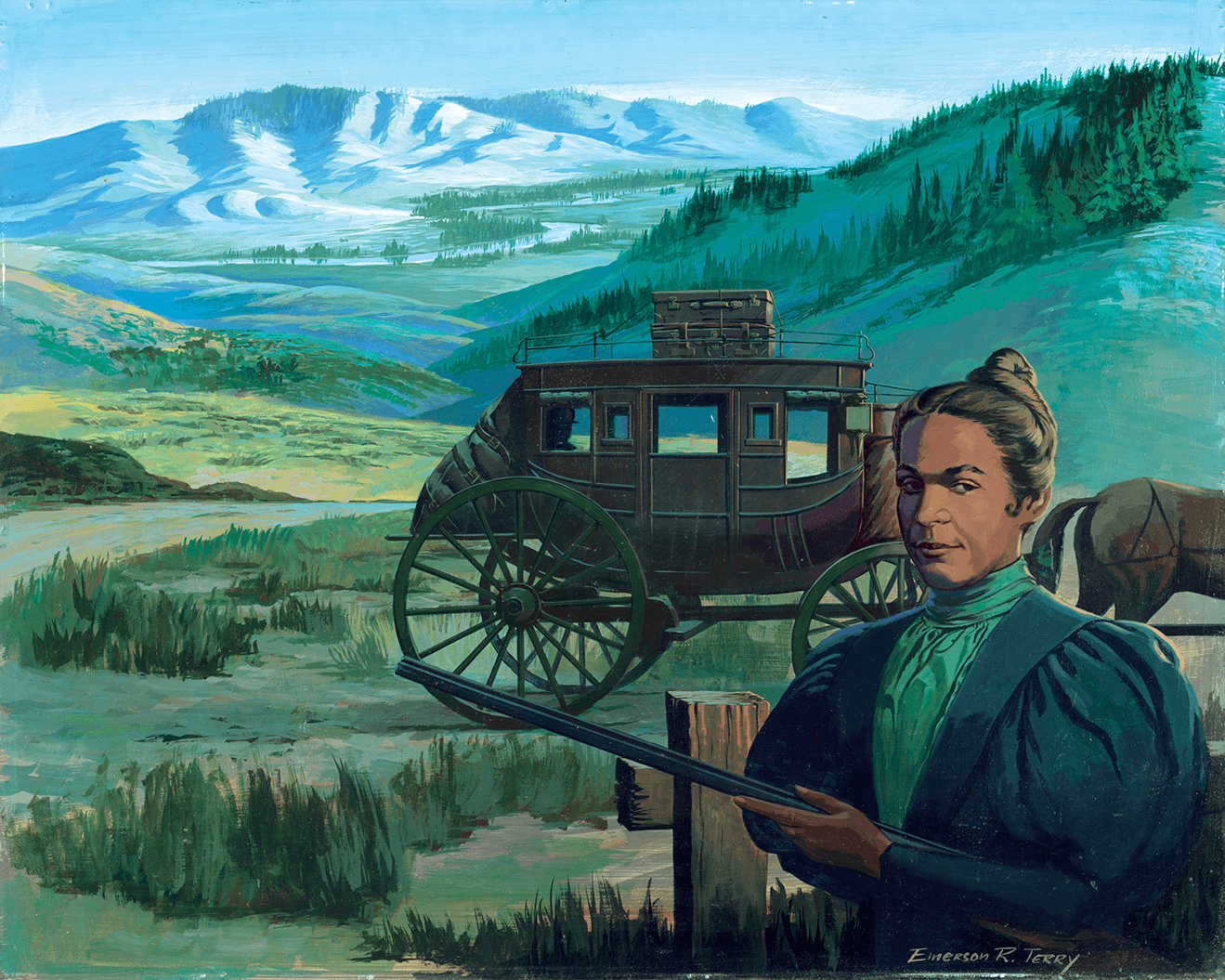
Late afternoon brought a woman on a sorrel mare, her skirts dust-streaked, eyes squinting against the glare off water. She tied up without fuss and came straight to the fire. Wen knew the shape of her reputation: rancher, loyal to family, loyal to nobody else’s rulebook.
“Bess,” she said. “Bassett. Elizabeth, if we’re being proper, but nobody is, not out here.”
“Miss Bassett,” Wen said, nudging the kettle closer. “You knew Dart.”
She let out a breath that might have been a laugh. “Knew him? He mended my porch when the wind took it. Shot a cougar off my yearling. Told jokes so dry you don’t catch ’em till breakfast.” She accepted the tin cup, studied him over its rim. “You want the part that keeps, Mr. Wen? I’ll give it to you.”
“I want all the parts,” Wen said. “The keeping and the slipping.”
“Then you’d better remember fast.”
She sipped, staring into the current. “He came to Brown’s Park half-tired and half-grinning, the kind of grin that says he knows the joke and hopes you will too. He’d been ‘Ned’ somewhere else, heard that, though he never said it, and ‘Calico,’ and ‘Black Fox,’ and ‘that damned fellow’ if you asked the wrong rancher. I called him Isom, because that’s what he answered to, and friend when he allowed it.”
“Friend,” Wen echoed.
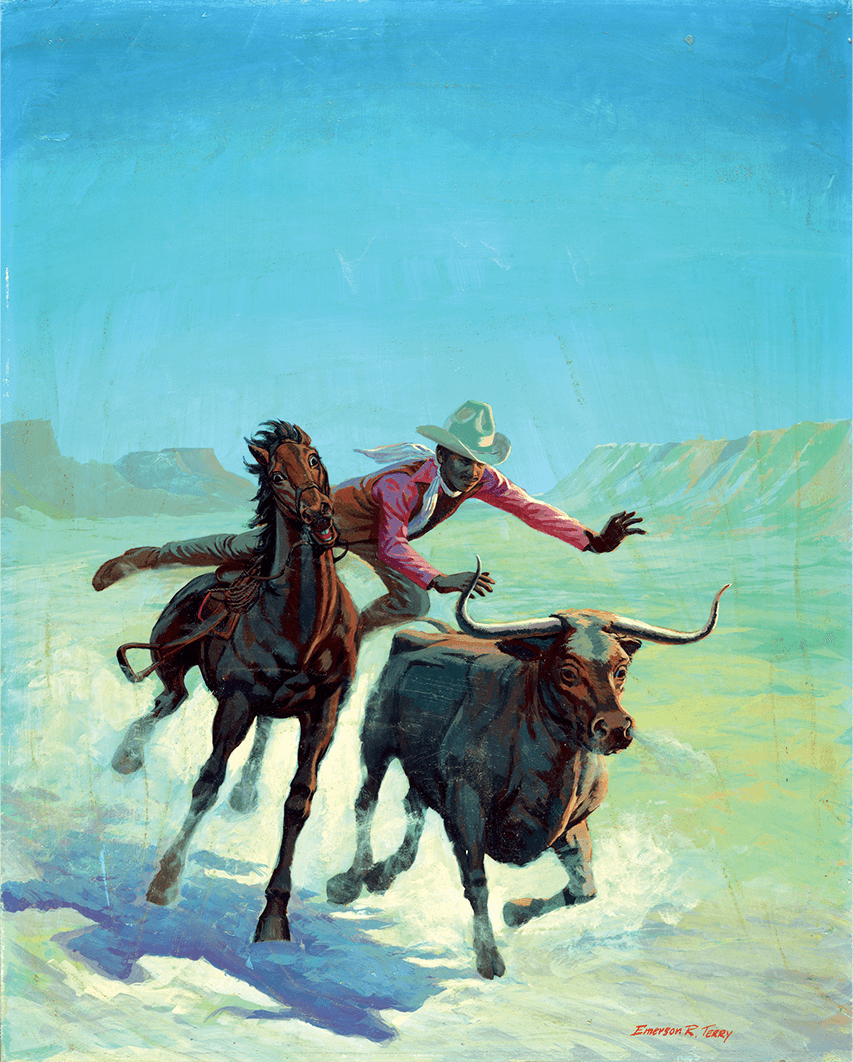
“Don’t get the wrong picture,” she said. “He was quick with a rope and quicker with his wits. The way the big spreads counted cattle, any man with a small herd looked like a thief. The way the small outfits counted dignity, any man who bowed looked like a coward. That’s the arithmetic we did in those years.”
She drank again, eyes narrowing. “See that ridge? Snow lasts longer there ’cause the sun’s lazy. Isom used to ride up and test the melt. Said snow tells you what grass intends to do. That was him, always reading the world like a ledger nobody else could decipher.”
“You respected him.”
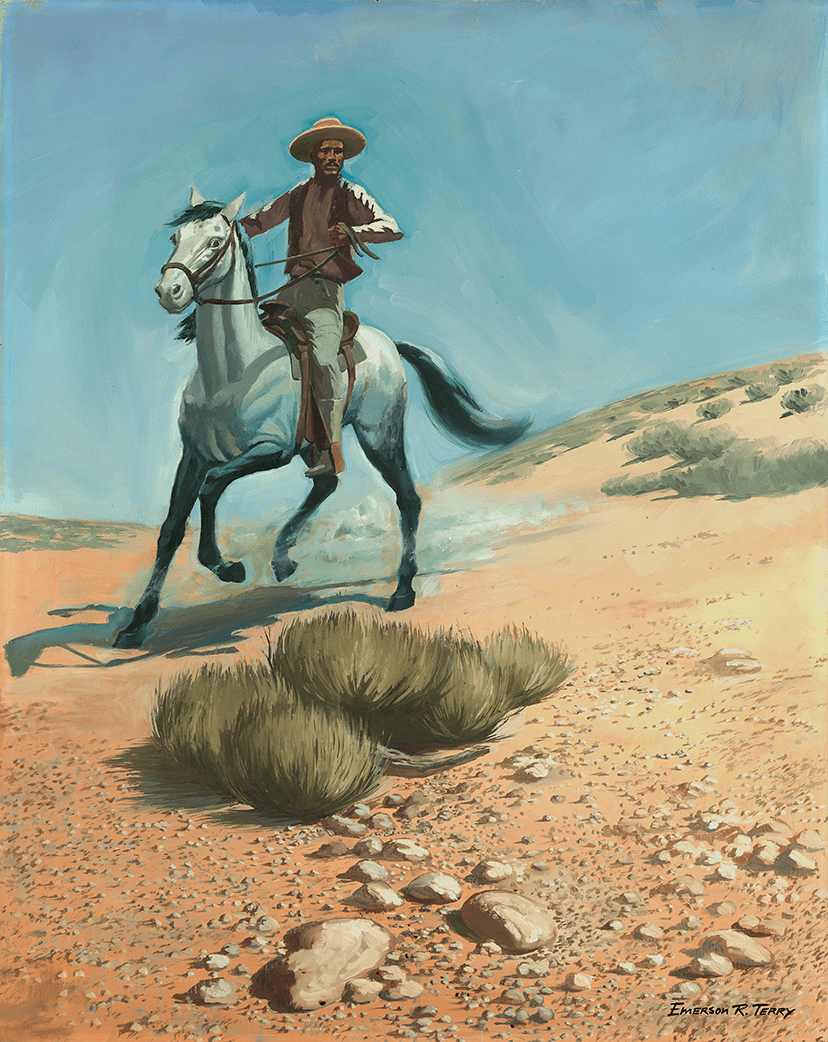
“Respect don’t cover it. He courted the land. Had horse-sense straight from the bone. I saw him lay a hand on a bronc’s neck and sing low, and that brute let him up like a pew. My mother, God save her, said he carried Africa in his blood, not chains, memory. She was right.”
“Did he steal?” Wen asked.
Bess drew a circle in the sand with her boot. “Tell me what you call it when a man rides for others since boyhood, then starts his own little place, and suddenly every brand he burns looks suspicious. You ever see a judge take his side? I didn’t.”
Wen said nothing. He thought of courtrooms built by rail money and of the Chinese dead in Rock Springs whose names were miscounted by clerks who never saw their faces.
“Sometimes,” Bess went on, “men with money hire a detective. Sometimes they hire a legend. This time, they hired both.”
“Tom Horn,” Wen said.
Her mouth thinned. “He came through Baggs like winter and didn’t leave footprints.”
They listened to the poplars shimmer. A trout broke water, vanished. Somewhere, a coyote barked twice at nothing.
“Once,” she said, “Isom mended my porch steps. Big hands but gentle. Told me, ‘Barbed wire isn’t just wire, it’s a way to make a map where there used to be a river.’ He always saw to the bottom of things. He’d trail cattle in a wash and know from the lean of a hoofprint whether the beast slipped there or a mile before. If that’s not scholarship, I don’t know what is.”
“You loved him,” Wen said.
“Don’t put me in a poem. I loved that he made this place feel like it had a chance to be fair. That’s different from loving a man, though I’m not saying I didn’t. I’m saying the valley had more colors when he was alive.”
They sat silent, the river marking time for them.
After a while, she stood. “If you want to know how he died, don’t ask me. Ask the man who gets paid to say he never guesses.”
“Sheriff?” Wen asked.
“No,” Bess said. “The other one.”
And as if the valley had been listening, the other one came.
❦
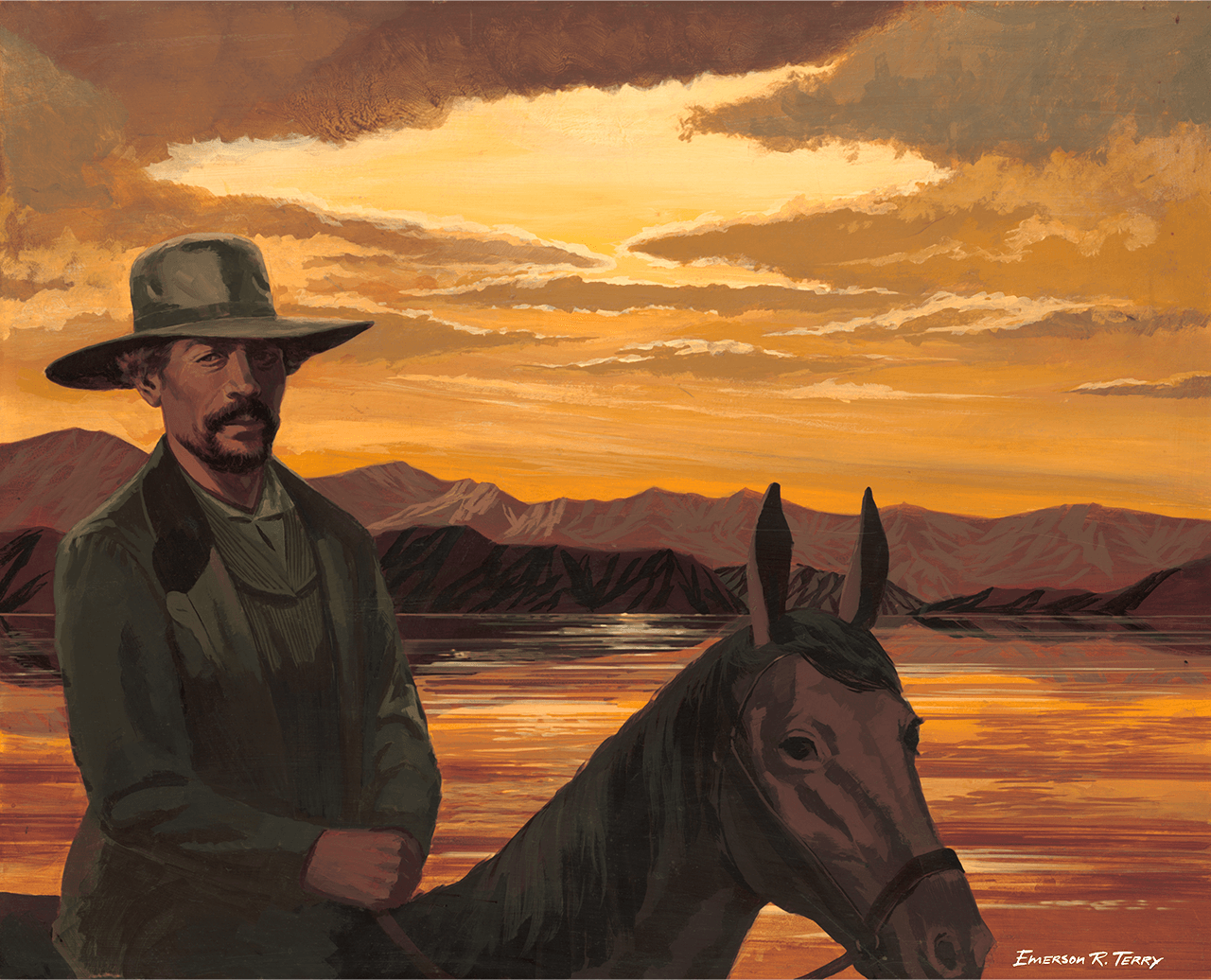
He rode a gray horse with a scar down one ear. The rider’s coat was dust-brown and his eyes were the same. He dismounted with the careful economy of a man who measured risk by ounces. Stories already clung to him like burrs on wool.
Wen had seen that face in newspapers passed from section house to section house, the ink rubbed thin by calloused thumbs. Scout. Stock detective. Soldier. Pinkerton. Killer. There were other words a judge would one day use, but this was before the rope. Wen offered coffee; coffee was what a man offered when he wanted another man to remember he was still human.
Tom took the cup, the steam softening the hard line of his jaw. “You sit and listen,” he said.
“It is what I can do,” Wen answered.
“Then listen close. Dart was two men at once, ride for wages when it suited him, ride off with stock when it didn’t. Folks love clean stories, saint or thief. Range life don’t work like that. A ranch hires me when blurred lines start costin’ beef.”
“Did you kill him?” Wen asked.
Tom sipped. “I solve problems.”
“Some problems are men.”
“That’s true,” Tom said. “And some are the stories folks tell about them. In Brown’s Park, stories get bigger than fences. They said Dart set his horseshoes backward so no one could track him. Said he kept two herds, one to brag about, one to sell after dark. Said he was courteous even when he robbed you blind. Courtesy, don’t feed cattle.”
“Courtesy keeps neighbors from becoming enemies,” Bess said from behind him.
Tom tipped his brim. “Miss Bassett. Heard you bake a decent biscuit.”
“You dig a decent grave,” she said.
“I don’t dig.”
“You hire the hole when you come.”
Tom’s mouth twitched. “Dart had warning. Could’ve lit out.”
“He built something here,” she said. “You hire out all your life, you start dreaming about your own brand. Once you stamp it on a calf you raised, the world can’t tell you you’re nobody.”
“The world don’t like being told anything.”
“What did he say when you raised your rifle?” Wen asked.
“Nothing. He didn’t see me. I keep a low profile. That’s the work.”
The wind shifted; the smell of silt and sage rose from the river. Wen could taste metal in his mouth. He remembered Rock Springs, remembered what it meant when men said order.
Bess spoke again. “A clean shot doesn’t make a clean story.”
“Stories ain’t my concern,” Tom said.
“They’ll bury you someday,” she said, “and who do you think will carry the words? Not your paymaster. Words are stubborn. They ask their own questions.”
For a heartbeat, Tom’s face flickered, a shadow of something human, then shut again. “I ride where I’m sent. You want fairness, stand for election. Build a courthouse. Hire your own detective.”
Bess laughed without joy. “You know who gets elected. You know who hires. The rules were written by men who already owned the land.”
Tom said nothing. He swung into the saddle, the gray shifting under him. “One day you’ll see I held the line. Without a line, the West turns worse.”
“The West turned worse because of it,” Bess said.
He touched his heel; horse and man moved upriver until the brush swallowed them.
Bess watched the place where he’d been. “Fence to check,” she muttered.
“Thank you,” Wen said.
“Don’t thank me. Remember him.”
She mounted and was gone.
The air trembled with quiet. Wen lit his pipe at last and let the smoke rest in the corner of his mouth like a secret he wasn’t ready to share.
❦
Twilight deepened; a thin blue shadow crept across the river. From the far bank came the dry click of hooves. An old Ute elder crossed the shallows, leading a pony laden with firewood. His braids were streaked with ash; his eyes held the flat calm of someone who has seen nations vanish and seasons return.
He paused beside Wen’s fire. “White man law again,” he said, gesturing toward the tracks Tom’s horse had left.
Wen inclined his head. “Yes. He says he keeps the line.”
The elder grunted. “Line,” he said, tracing a finger through the sand. “They draw lines on skin, on ground, on hearts. Then they forget what was before the line.”
He crouched, warming his palms over the small flame. “Your friend, the dark-skinned rider, he tried to live between lines. Hardest place. Like a fish living half in air.”
“You knew him?” Wen asked.
“Knew his eyes. Same as our young men after soldiers came. Eyes that see two worlds and belong to none.” He looked up. “You listen good. When men like that die, the wind remembers longer than people.”
He rose, lifted his wood, and waded back into the ford. The water swallowed his reflection first, then his body. Only ripples remained, traveling outward until they lost themselves in the current.
Wen stared after him, the elder’s words settling heavy as silt.
❦
Later that night, Wen wrote the scene in his head, the way he always did. Sheriff’s law, outlaw’s laughter, woman’s grief, killer’s logic, elder’s correction, five languages of the same wound. Each voice had shaped the story’s edge, but none could hold its center. That center was a man named Isom Dart, whom the powerful called a thief, the lonely called a neighbor, and the dead called a brother.
He wondered what Dart had thought, that final morning. Did he sense the rifle behind the cottonwoods? Did he smile, the half-grin that made people think he knew a private joke about freedom? Maybe he simply looked at the horse beside him and thought about the brand he had burned into its hide, proof that his name could mean ownership, not bondage.
Wen exhaled smoke. “People come here to be forgotten,” he murmured, repeating his earlier words, “but the valley remembers.”
Above, stars gathered like coins in a shallow pan. The river hissed softly against the stones, counting time in water instead of clocks.
He slept by the fire until hoofbeats woke him near dawn. The sheriff again. The man looked older in the half-light, eyes puffy from drink or conscience.
“Heard Horn came through,” he said. “Isom’s finished. Don’t know yet if I’ll have to file the paper.”
Wen nodded.
“Truth is,” the sheriff went on, “some men die to keep other men respectable. Maybe that’s justice, maybe just business.”
“You sound uncertain.”
He shrugged. “World’s bigger than my jurisdiction.” He turned his horse and
rode away.
When the sound faded, Wen whispered to the river, “Bigger than all of ours.”
He added a log to the coals. Sparks drifted up, tiny stars trying to return home.
From somewhere down the canyon came a laugh , dry, familiar. Laughing Jack again, singing off-key:
A fox in the pen and a fence in the sky,
A man buys truth when he cannot buy a lie.
The tune dwindled, leaving only wind.
Wen smiled despite himself. Every valley kept its fools; sometimes the fools spoke nearest the truth.
❦
As daylight strengthened, Wen gathered his few belongings, kettle, a pipe, folded blanket. The grass was silver with dew, the kind that vanishes before anyone can prove it was there. He stood listening: a far-off hammer from Jarvie’s forge, a cow lowing, a magpie scolding dawn itself. All the sounds of a world that insisted on continuing.
He thought again of the Ute elder’s words:the wind remembers longer than people. Maybe that was his task, to make memory into wind, to keep it moving so it would not rot.
He faced the river one last time. The surface mirrored nothing; it only shimmered, carrying all colors but claiming none. “You remember him, too,” Wen said aloud.
The water rippled as if nodding.
He tamped his pipe, drew the first smoke of the new day, and felt the taste of cedar and iron on his tongue, the taste of rails, horses, and human labor.
The river, the land, and the stories breathed together. Wen shouldered his pack and began walking toward the sound of hooves that might have been coming or might already be gone.
Above him, the wind carried faint words, perhaps the elder’s voice, perhaps his own memory:Lines break. Rivers don’t.
He smiled. “Then I’ll follow the river.”
The valley answered in its only language, a long, slow exhale of morning.
End Notes
1. On debates about Isom Dart’s origins, names, and the long-circulated claim he was “Ned Huddleston” born enslaved in Arkansas (versus more recent museum research arguing Texas birth and a different family record), see Black Past's profile, which reflects the older consensus, and the Museum of Northwest Colorado’s corrective overview summarized on the Isam/Isom Dart encyclopedia entry.
2. For Brown’s Park (Brown’s Hole) as a wintering ground for Indigenous peoples and later a refuge for outlaws, cowhands, and storekeepers like John Jarvie, and for Elizabeth Bassett’s friendship with Dartsee, the BLM “John Jarvie of Brown’s Park” material and lesson plan.
3. The killing of Matt Rash (July 1900) and Isom Dart (October 3, 1900) in the Brown’s Park range conflict and the widespread belief that Tom Horn was hired to carry out both shootings are referenced in multiple secondary sources and timelines.
4. For the specific date and location of Dart’s death and the view voiced locally that jealousy, land, and cattle disputes fueled his targeting, see the BLM Jarvie lesson plan and regional historical press accounts.
5. On Tom Horn’s life as scout, interpreter, stock detective, Pinkerton operative, and his later trial and 1903 execution for the Willie Nickell murder (distinct from Dart’s killing), see the Wyoming History encyclopedia overview.
More Chapters

Choose your Trail